Motorola Razr 70 Ultra/Razr Ultra 2026 review

Verdict
In-depth review of the Motorola Razr 70 Ultra/Razr Ultra 2026
Introduction and unboxing
Introduction and specs
The revitalized Motorola Razr series makes a return exactly a year later, along with a new family member - the Motorola Razr Fold. But that's a subject for another review.
The Razr 70 Ultra, which is also known as the Razr Ultra 2026 for the North American market, doesn't stray away too much from its predecessor with little to no changes to the hardware. Motorola feels confident enough with its last year's flagship flip phone, so with just some minor tweaks, it's good to go against the 2026 competition. Which, to be honest, is still limited in the US and Europe.
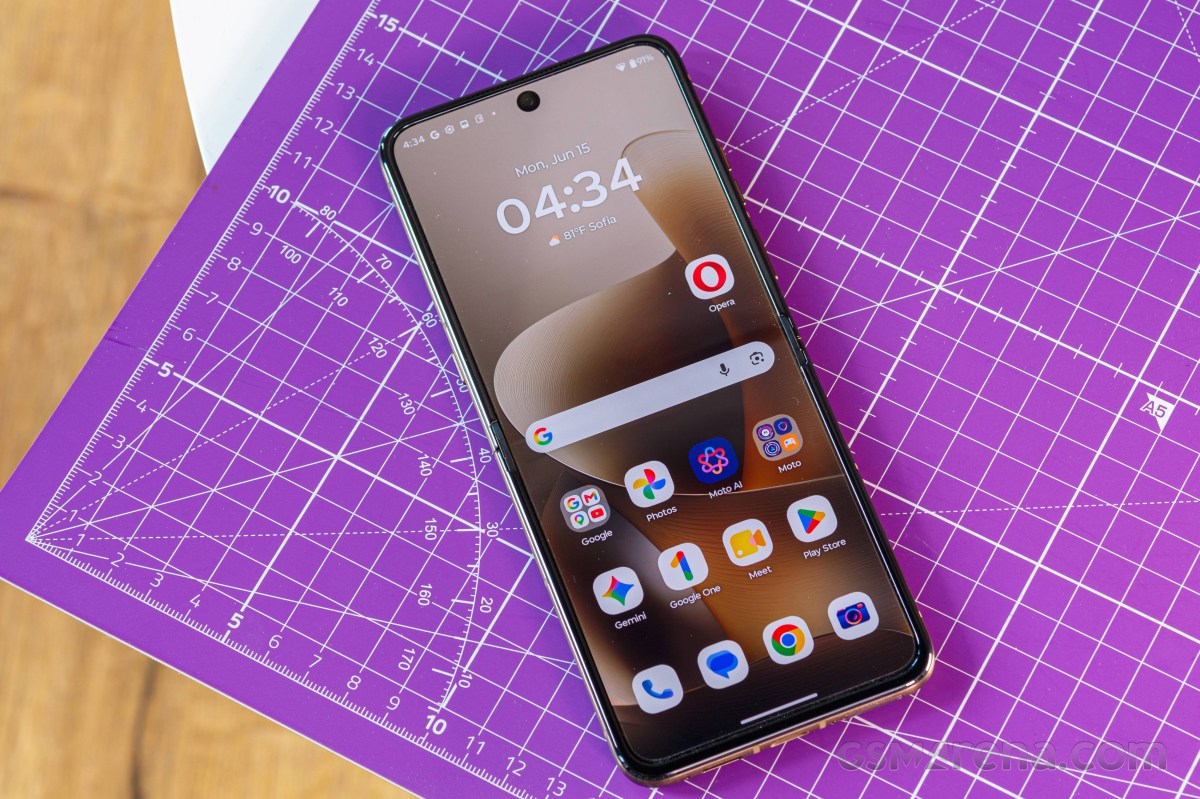
The handset still relies on the Snapdragon 8 Elite chipset, although the lack of a chipset upgrade doesn't bother us at all. This is a powerful flagship SoC from 2025 to begin with, so the performance jump to the Snapdragon 8 Elite Gen 5 doesn't seem justified considering the form factor.
Motorola Razr 70 Ultra specs at a glance:
- Body: 171.5x74.0x7.2mm, 199g; Plastic front (unfolded), glass front (folded, Gorilla Glass Ceramic), aluminum frame; IP48 dust and water resistant (dust > 1mm; immersible up to 1.5m for 30 min).
- Display: 7.00" Foldable LTPO AMOLED, 1B colors, 165Hz, Dolby Vision, HDR10+, 5000 nits (peak), 1224x2992px resolution, 22:9 aspect ratio, 462ppi; Second external LTPO AMOLED, 1B colors, Dolby Vision, 165Hz, HDR10+, 3000 nits (peak), 4 inches, 1272 x 1080 pixels, 417 ppi, Gorilla Glass Ceramic.
- Chipset: Qualcomm Snapdragon 8 Elite (3 nm).
- Memory: 512GB 12GB RAM, 512GB 16GB RAM; UFS 4.0.
- OS/Software: Android 16.
- Rear camera: Wide (main): 50 MP, f/1.8, 1/1.56", 1.0µm, PDAF, OIS; Ultra wide angle: 50 MP, f/2.0, 122˚, 1/2.93", 0.6µm.
- Front camera: 50 MP, f/2.0, (wide), 0.64µm.
- Video capture: Rear camera: 8K@30fps, 4K@30/60/120fps, 1080p@30/60/120/240fps, Dolby Vision HDR10+; Front camera: 4K@30/60fps, 1080p@30/60fps.
- Battery: 5000mAh; 68W wired, 30W wireless, 5W reverse wired.
- Connectivity: 5G; eSIM; Wi-Fi 7; BT 5.4; NFC.
- Misc: Fingerprint reader (side-mounted); stereo speakers (with Dolby Atmos).
The display configuration is roughly the same as before - 7.0-inch foldable OLED on the inside and a 4.0-inch OLED on the outside.
There are no notable changes to the camera either, 50MP main camera aided by a 50MP ultrawide shooter and a 50MP selfie camera on the inside.
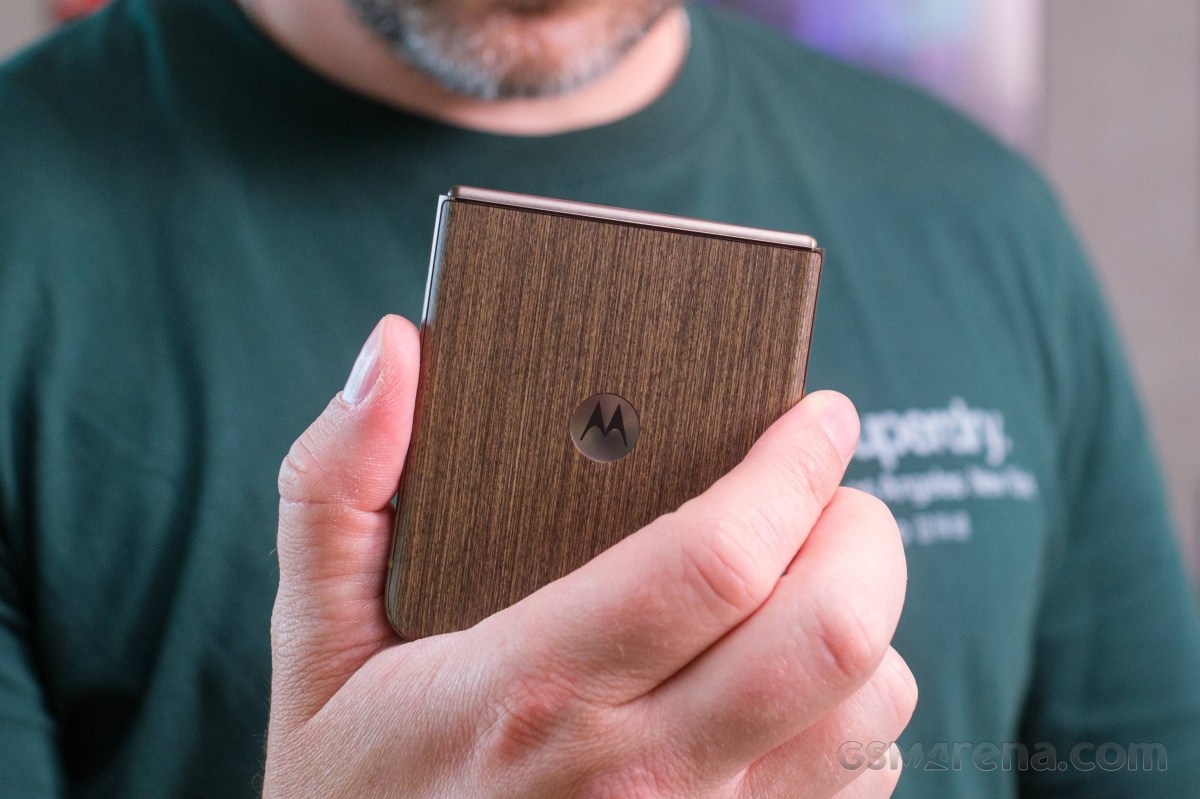
Perhaps the most noteworthy change is the battery capacity - Motorola bumped it up by 300 mAh this year, and the phone now carries a 5,000 mAh cell. It still supports 68W wired and 30W wireless charging.
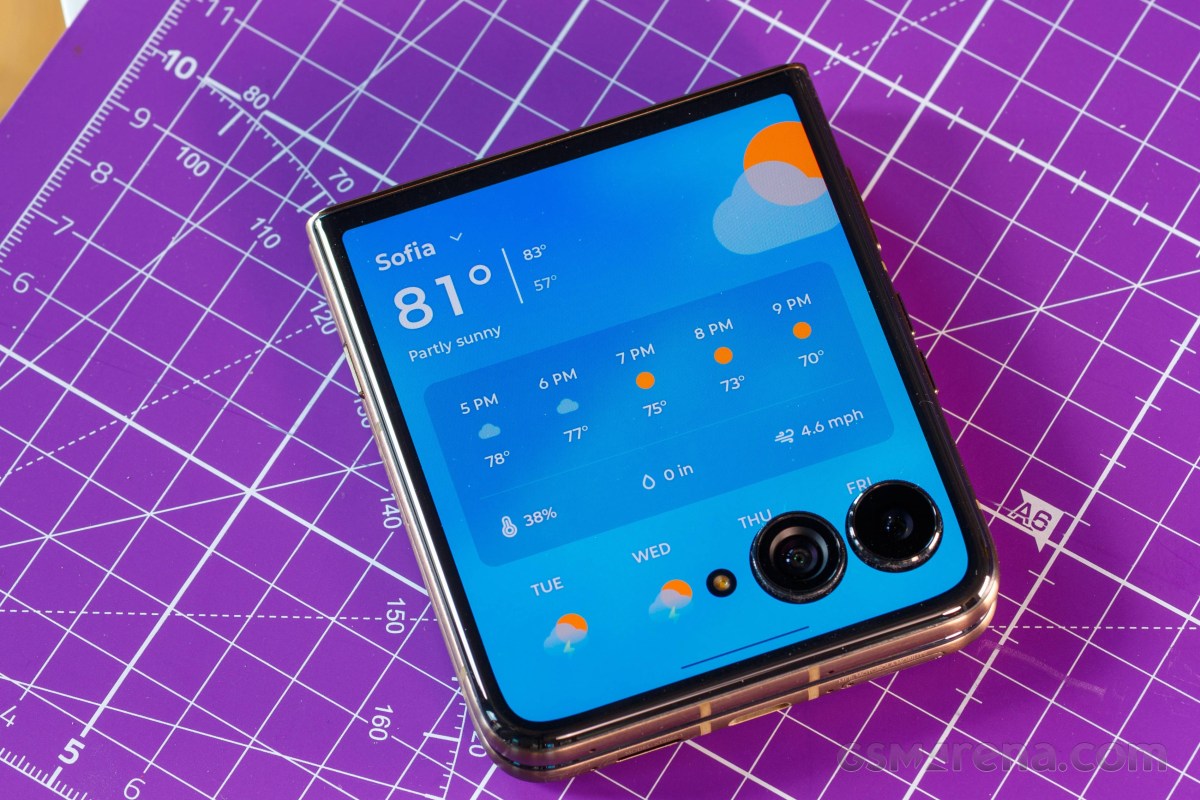
Despite the modest upgrade this year, Motorola still hiked the price in some markets, potentially pushing some customers toward the Samsung Galaxy Z Flip7. Let's check out how the new Razr 70 Ultra performs in our full review.
Unboxing the Motorola Razr 70 Ultra
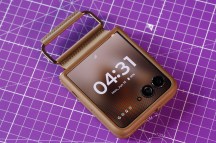
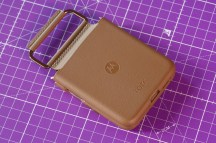
In Europe and in the USA, the retail package is modest as it contains only the usual quick start guides and a USB-C to USB-C cable used for charging and data transfer. Our unit in Europe also came with a stylish, faux leather protective case that matches the handset's design.
Motorola Razr 70 Ultra unboxing
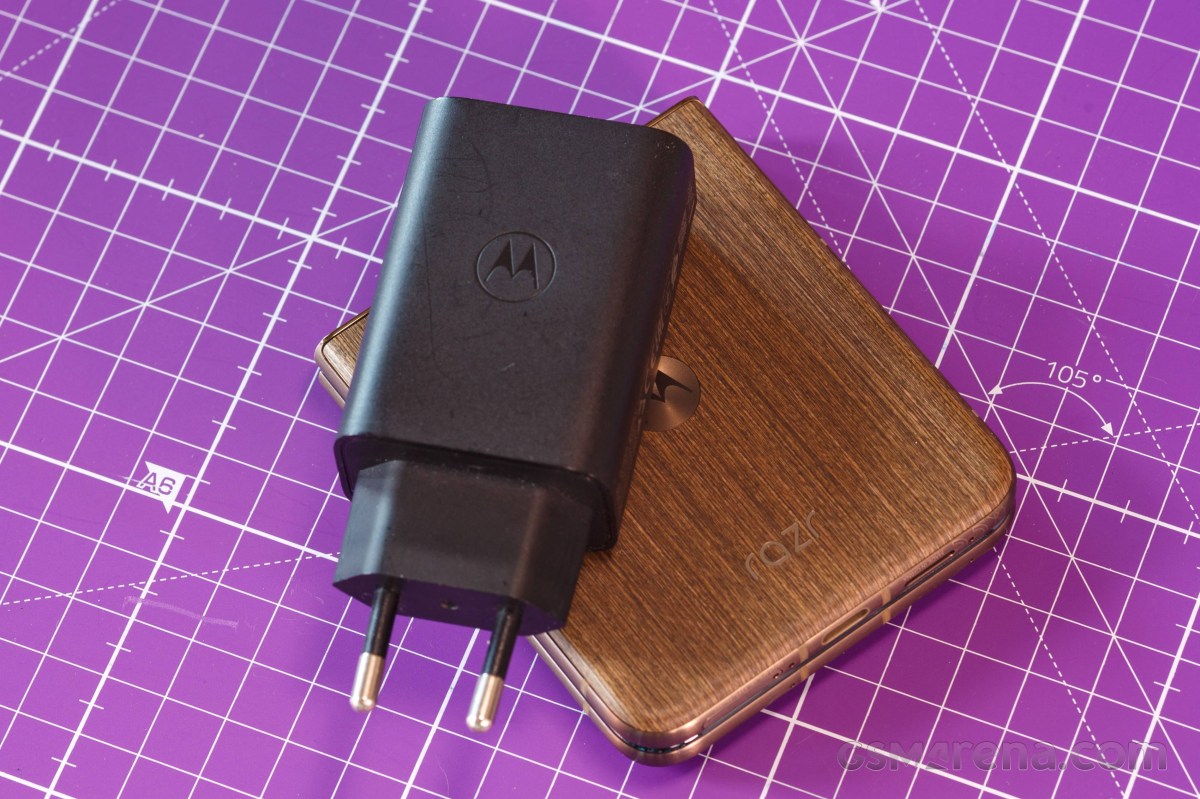
To get the most out of the device's charging rate, you should buy Motorola's 68W USB PowerDelivery charger, or a compatible third-party one.
Design, build, handling
Design and hardware
The Motorola Razr 70 Ultra doesn't stray away from the familiar design concept - quite the contrary. The company is still trying to stand out from the crowd by offering a unique look with standout designs and materials with its Razr series.
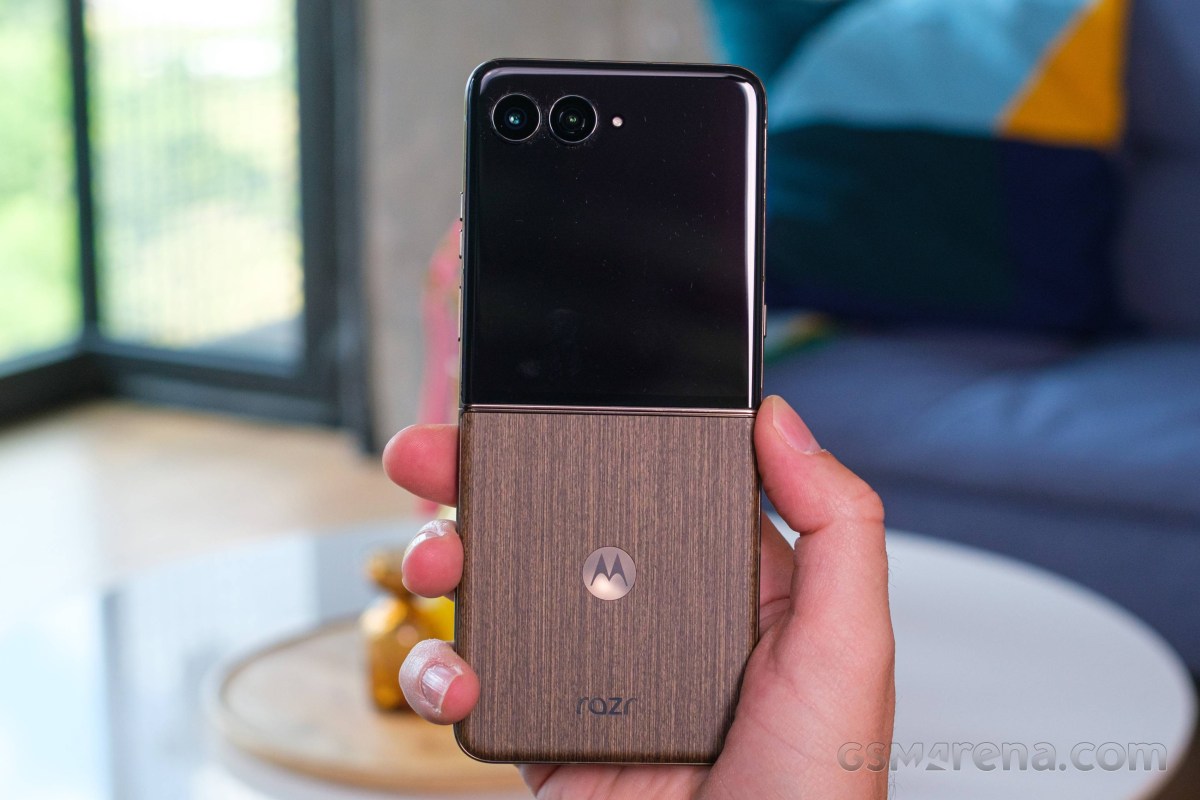
There's only one structural change with this generation - the hinge is now reinforced with titanium. Depending on the colorway, you get the lower half of the back with an Alcantara finish or a wood veneer. The top half, where the cover display resides, is protected by Gorilla Glass Ceramic, while the frame is made of aluminum.
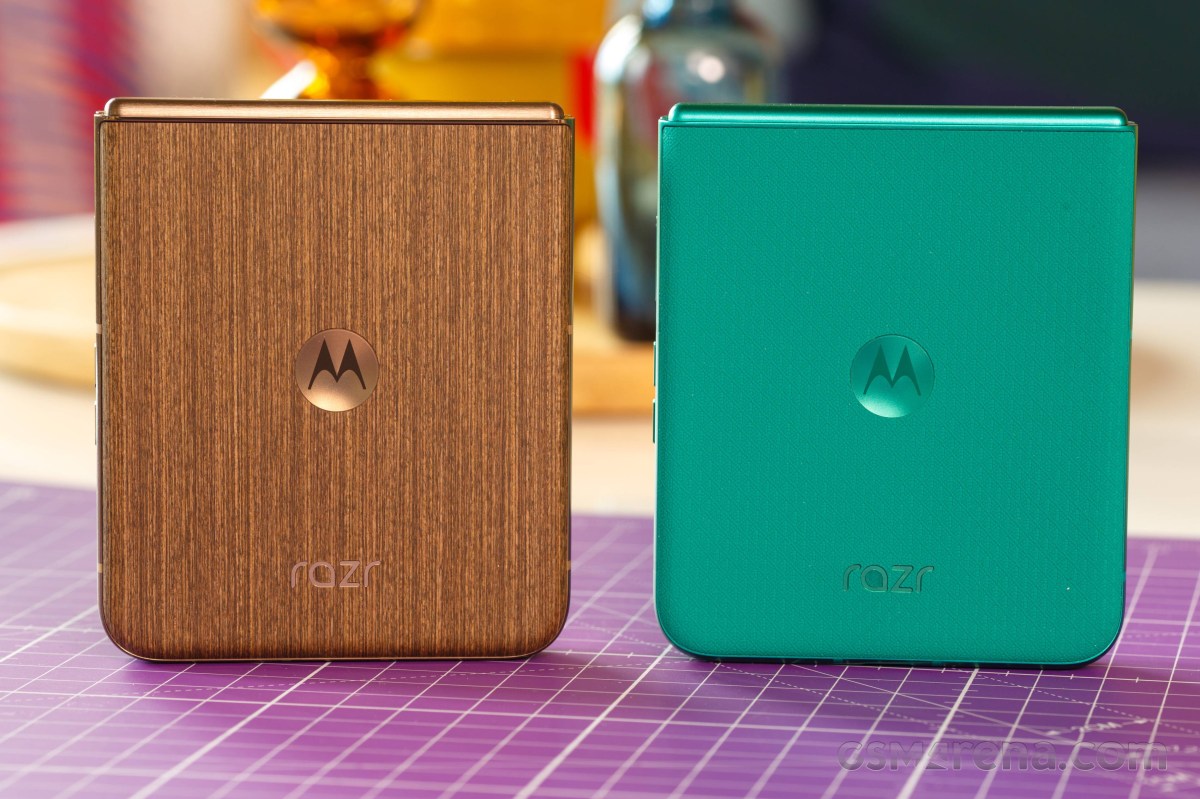 Motorola Razr 70 Ultra vs. Razr 70
There are only two color options for now, and once again, they are in line with Pantone's color catalog. The Orient Blue color comes with an embossed Alcantara finish, while the Cocoa variant that we have at the office features textured natural wood veneer. It's an interesting choice if you are looking for something classic.


Orient Blue • Cocoa
Despite being a flip foldable, the device still offers some sort of ingress protection, albeit not particularly high. It's IP48-rated, which means moderate dust resistance in addition to the solid water resistance.
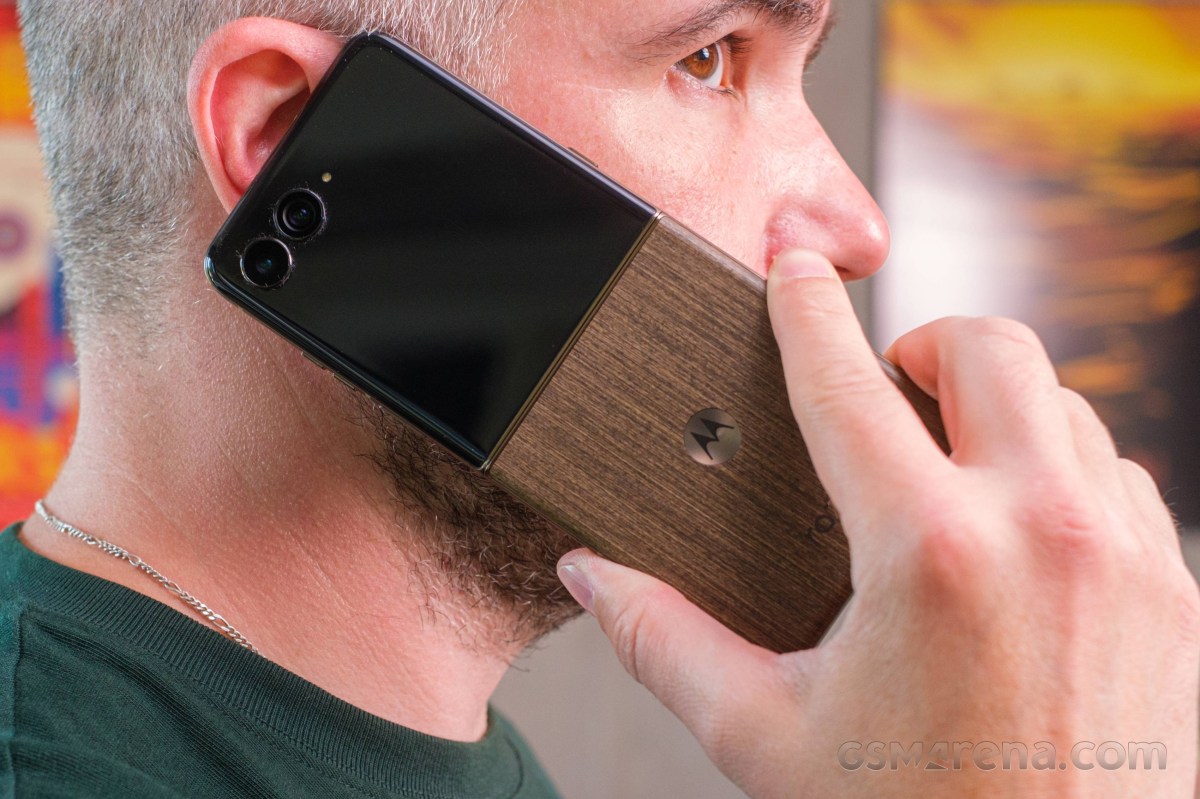
When you unfold the device, you get to see the 7.0-inch flexible OLED screen with a decent (in a good way) crease in the middle.


The hinge feels solid and smooth; no complaints there. Once closed, the two halves lie flush against each other, and the hinge itself supports multiple angles. It remains open at pretty much any angle.
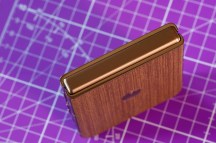
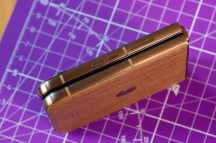
The fingerprint reader is once again integrated into the power button. It works well, and we didn't have any major hiccups. It's fast and reliable.
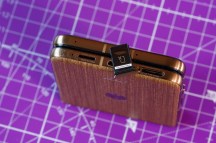
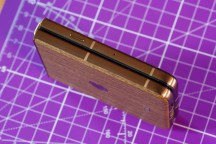
Speaking of the power button, it's located on the right side along with the two volume keys, while the dedicated AI assistant button is placed on the left side of the frame. The bottom is home to the SIM card tray and the USB-C port.
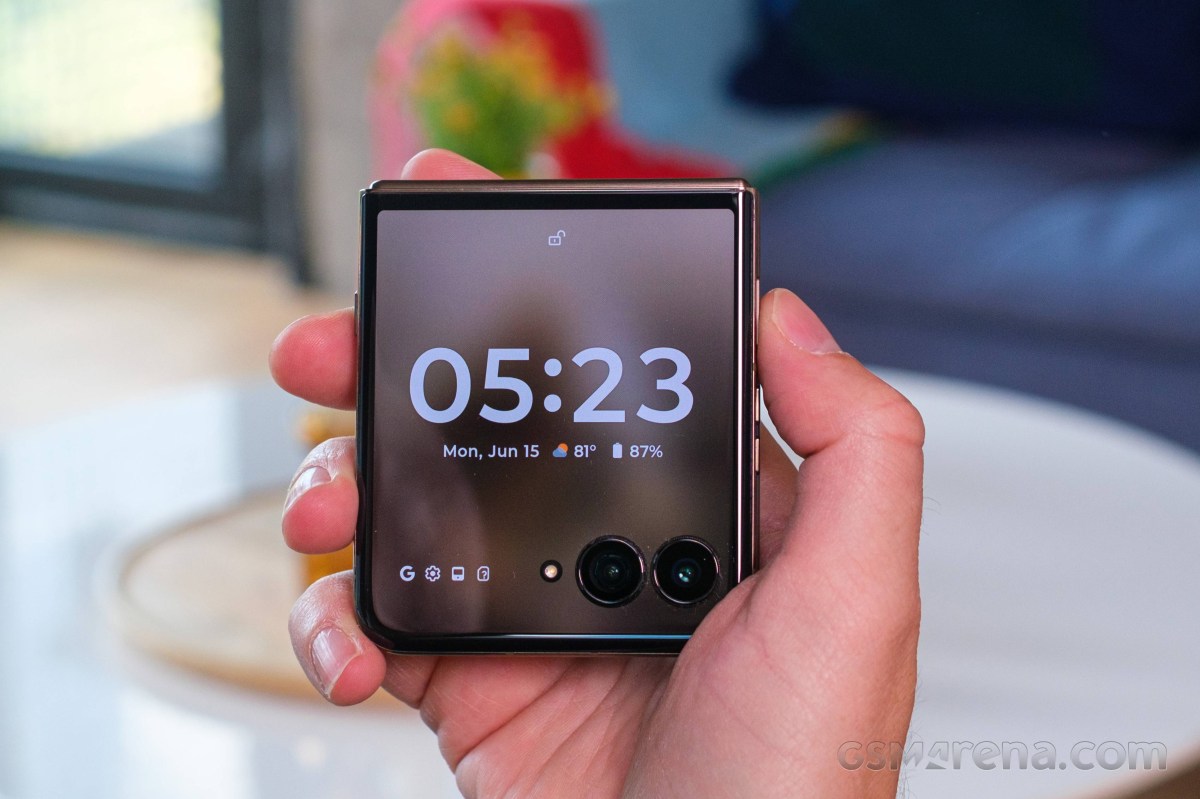
The SIM card tray can take up to two physical SIM cards, but the handset also supports eSIM. Regardless of the SIM configuration, there can be only two active SIM cards at the same time.
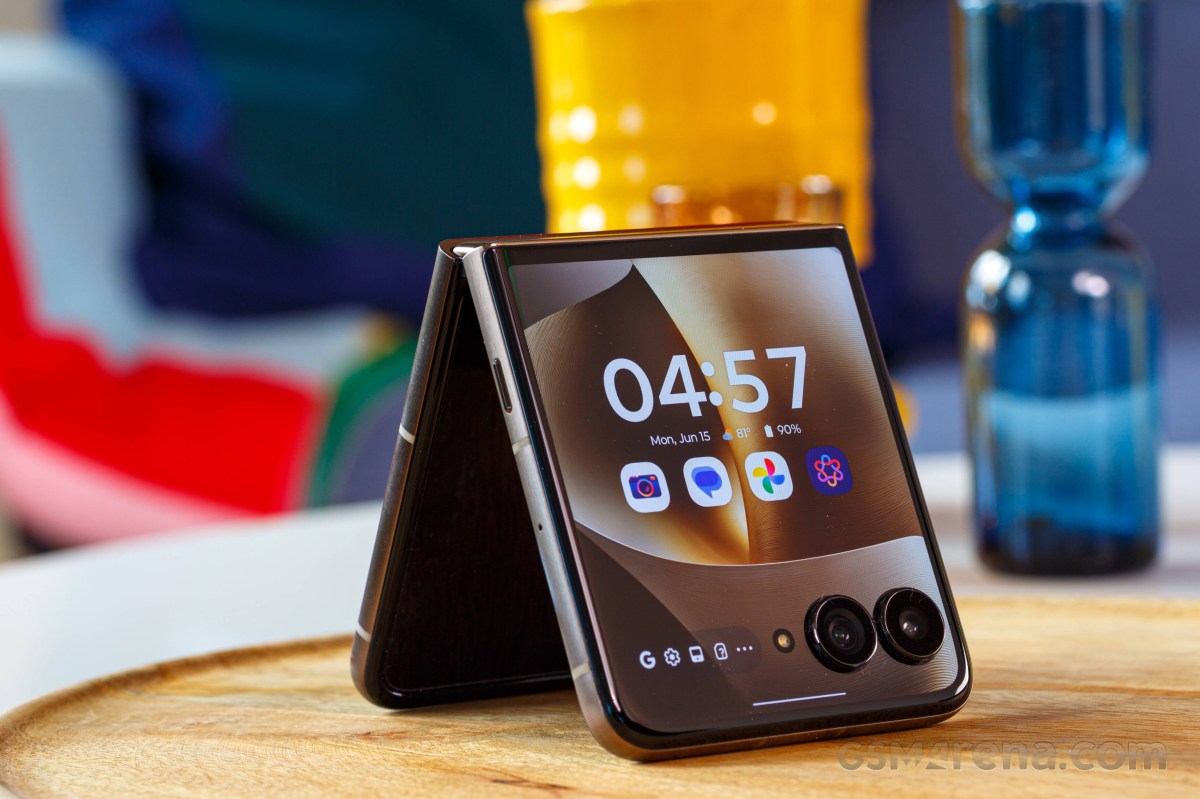
All in all, the Razr 70 Ultra is a premium device with an excellent build, leaving little to complain about. You also have the choice between two unique materials and styles.
Lab tests - display, battery life, charging speed, speakers
Familiar 7.0-inch foldable OLED and 4.0-inch cover screen
Naturally, the Razr 70 Ultra features two displays. One foldable inside and a small cover screen outside. Let's start with the main one.
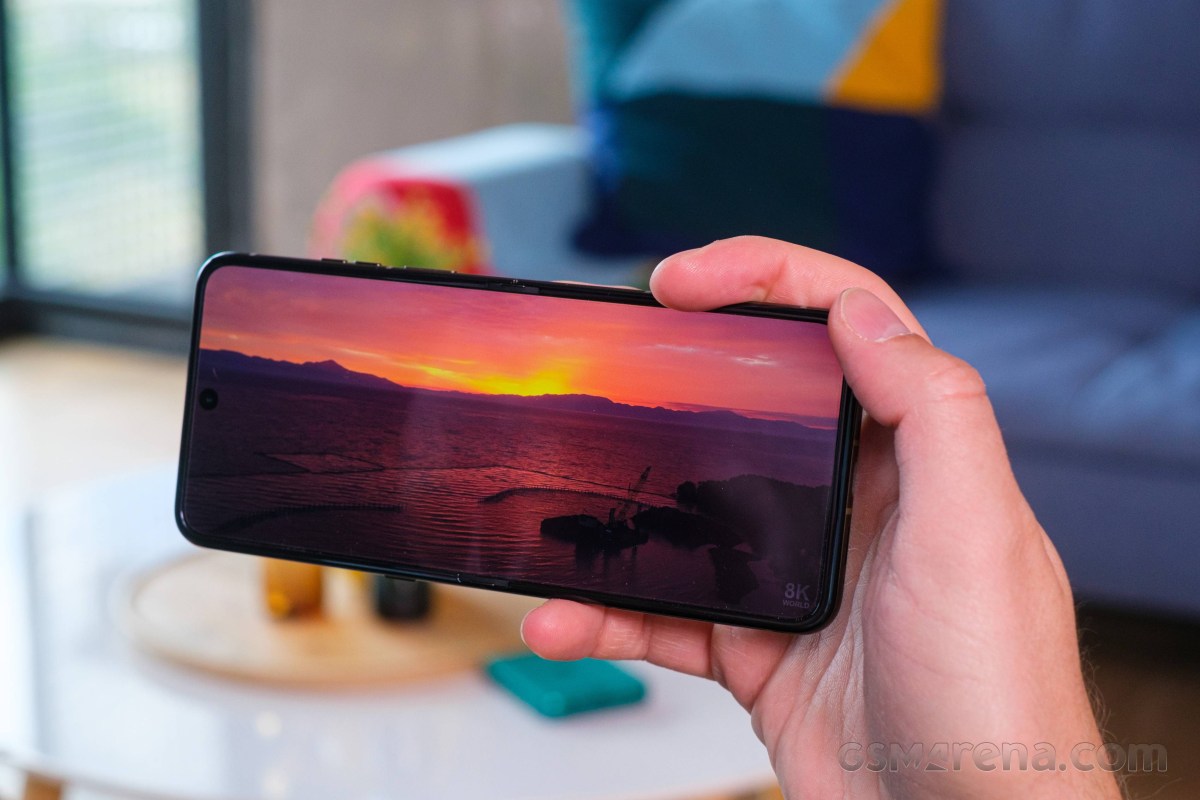
When unfolded, the Razr 70 Ultra shows off a 7.0-inch foldable LTPO OLED display with 1224 x 2992px resolution. It supports 165Hz refresh rate, 10-bit color depth, Dolby Vision and HDR10+. It covers all bases for a flagship display. In other words, there are no changes compared to the previous generation Razr Ultra.
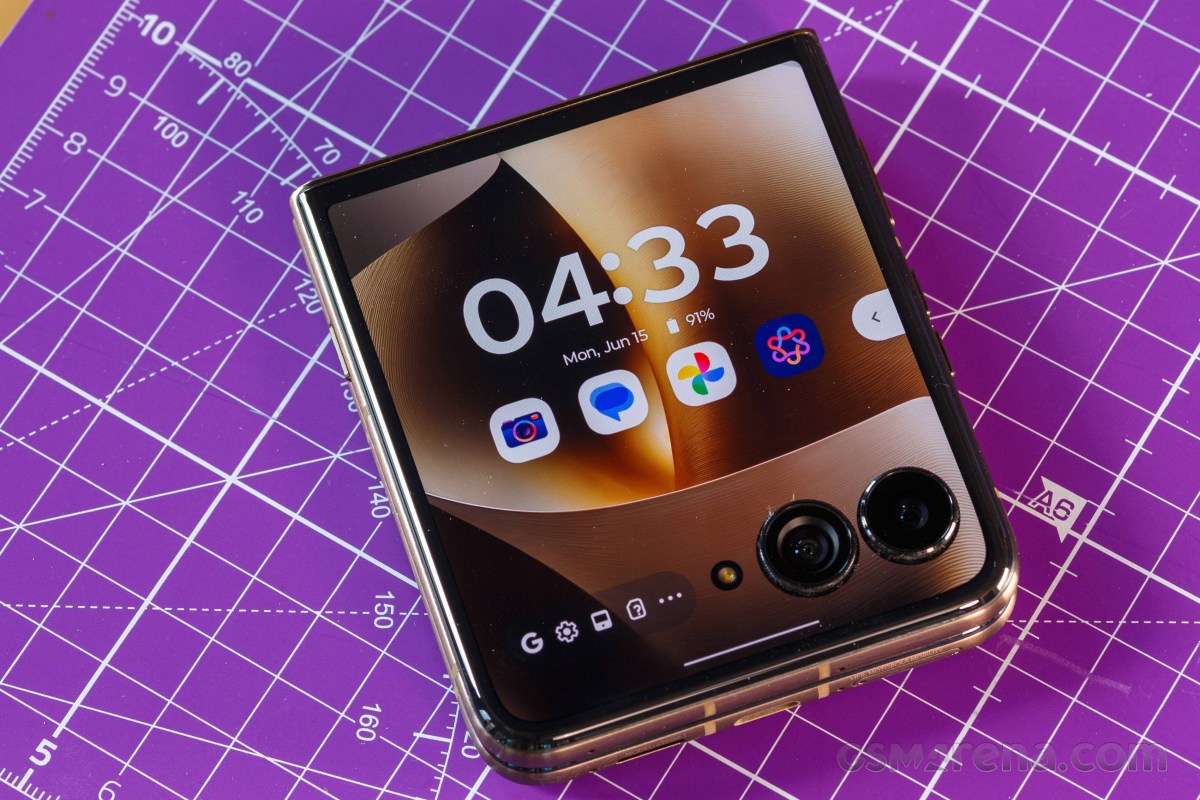
The cover screen is 4.0" with a square-ish aspect ratio and 1272 x 1080px resolution, but it's still LTPO OLED with the same features on board - 165Hz refresh rate, 10-bit color depth, Dolby Vision and HDR10+.
Even though Motorola advertises 5,000 nits peak brightness, we were unable to make the display boost that high. Still, it performed well in our tests, reaching 1,486 nits on a 75% white patch.
Unusually, there was no boost in max auto brightness when reducing our white patch from 75% down to 10%. These figures are more than enough for comfortable outdoor use even on a bright sunny day, but HDR performance is somewhat lacking. We were expecting at least 2,000 nits with the smaller patch. It could be an issue with our review sample.
Max display brightness test
White test pattern (nits)
- Manual (75% fill)
- Auto (75% fill)
 Honor Magic V Flip 2
 Motorola Razr 60 Ultra
 Motorola Razr 70 Ultra
 Galaxy Z Flip7
 Galaxy Z Flip7 FE
The cover display posts slightly lower results, but still more than good enough to provide a solid outdoor experience.
Max display brightness test
White test pattern (nits)
- Manual (75% fill)
- Auto (75% fill)
Honor Magic V Flip 2 (Cover Display)
Motorola Razr 60 Ultra (Cover display)
Galaxy Z Flip7 (Cover display)
Galaxy Z Flip7 FE (Cover display)
Motorola Razr 70 Ultra (Cover Display)
The minimum brightness is approximately 2.8 nits, which is a bit too high for some users when using the phone in a pitch-black environment.
Refresh rate
Both the inner and the outer displays are marketed as 165Hz, but the hardware boosts to 165Hz only during some games when you enter Motorola's Gametime gaming mode. So for the most part, you can only go up to 120Hz. Also, some apps like Google Chrome can't go beyond 90Hz for some reason unless you force the Hyper Smooth setting.
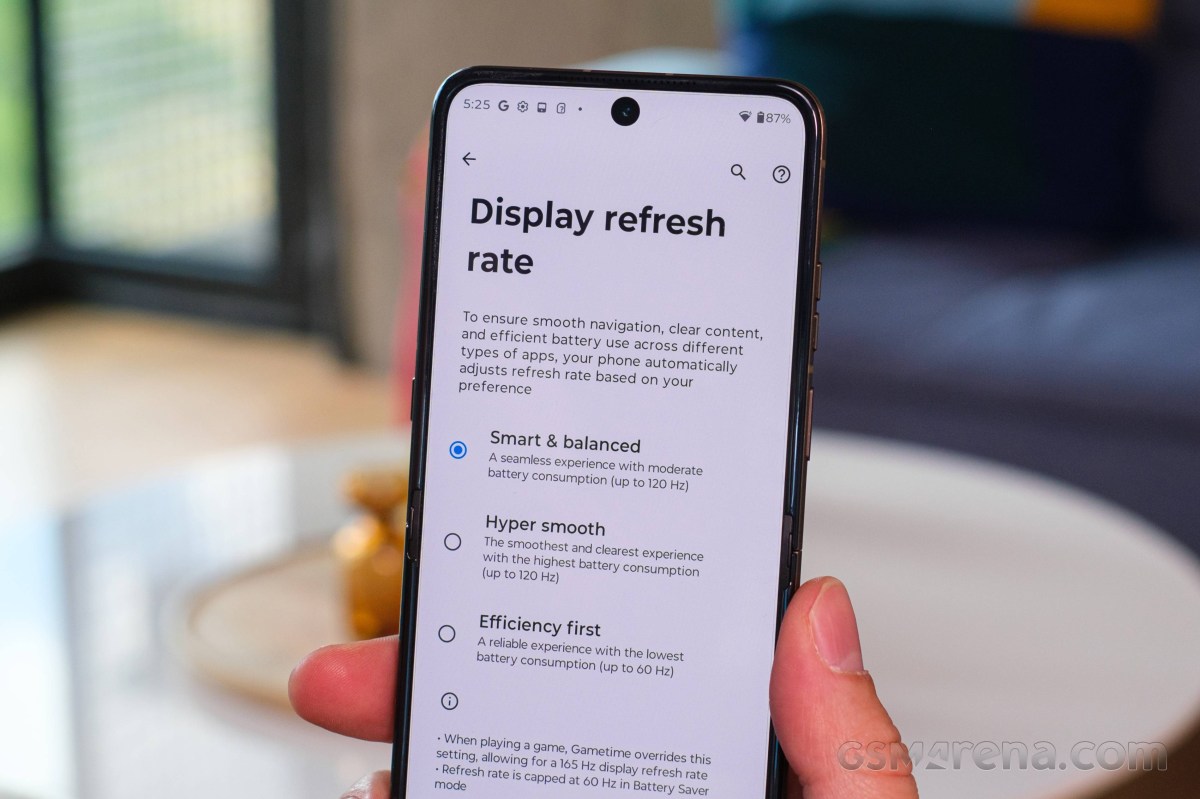
Since the two displays are LTPO, they dial down to 1Hz when idle and boost up to 120Hz in most cases. They even match the videos' frames on YouTube, so you get 24Hz in 24fps videos, 30Hz in 30fps videos and so on.
Battery life
Perhaps the most notable change in the newer Razr Ultra is the battery capacity. It's now 5,000 mAh, up from 4,700 mAh last year, but since the rest of the hardware remains unchanged (same SoC, same displays), we weren't expecting any dramatic battery gains to begin with.
The tests show some positive movement in the video and game scenarios, but this year's web test seems identical to the one from last year.
Still, in the context of flip phones, the Razr 70 Ultra seems to be doing more than fine with its 16:32h Active Use Score. It outperforms its biggest competitor, the Galaxy Z Flip7, by a significant margin.
Charging speed
The Razr 70 Ultra supports the same 68W PD charging and 30W wireless charging as its predecessor. The modest change in the battery capacity doesn't seem to have affected the Razr 70 Ultra's ability to charge fast, so as expected, it performs just as well as the previous generation.
Charging speed
- in 15 min
- in 30 min
- Time to full charge (from 0%)
Motorola Razr 70 Ultra
Honor Magic V Flip 2
 Motorola Razr 70
Galaxy Z Flip7
Motorola Razr 70
Galaxy Z Flip7
You can enable the usual options for prolonged battery lifespan such as Optimized Charging (going by your habits) and overcharge protection (80% limit most of the time and 100% once a week).
Charge boost is the opposite - it recharges faster, but the battery gets warmer. This is the mode we used for our charging test above.
Speakers
The Razr 70 Ultra relies on a dual set of hybrid stereo speakers. There's one that acts as an earpiece while the full-fledged loudspeaker is at the bottom, sitting behind the large hole next to the USB port. Even though it's a hybrid setup, the balance is quite okay. Still, the bottom one is noticeably louder.
Even though there's no reason to believe Motorola tinkered with the speakers, the results from our loudness and quality tests suggest otherwise. The newer Razr Ultra is not only quieter but also produces less-than-ideal sound quality. The tracks sound flatter with virtually no bass and with toned-down vocals in comparison. The Galaxy Z Flip7 is also objectively better when it comes to sound quality.
Use the Playback controls to listen to the phone sample recordings (best use headphones). We measure the average loudness of the speakers in LUFS. A lower absolute value means a louder sound. A look at the frequency response chart will tell you how far off the ideal "0db" flat line is the reproduction of the bass, treble, and mid frequencies. You can add more phones to compare how they differ. The scores and ratings are not comparable with our older loudspeaker test. Learn more about how we test here.
Software and performance
Android 16 and Hello UI
The Razr 70 Ultra boots Android 16 out of the box with Motorola's Hello UI overlay on top. Motorola promises 3 major OS updates and 4 years of security patches in the US (6 for the EU). That's a bit on the short end, given that most manufacturers offer more than 3 OS updates. Samsung, for example, pledges 7 updates for its Galaxy Z Flip7 phone.
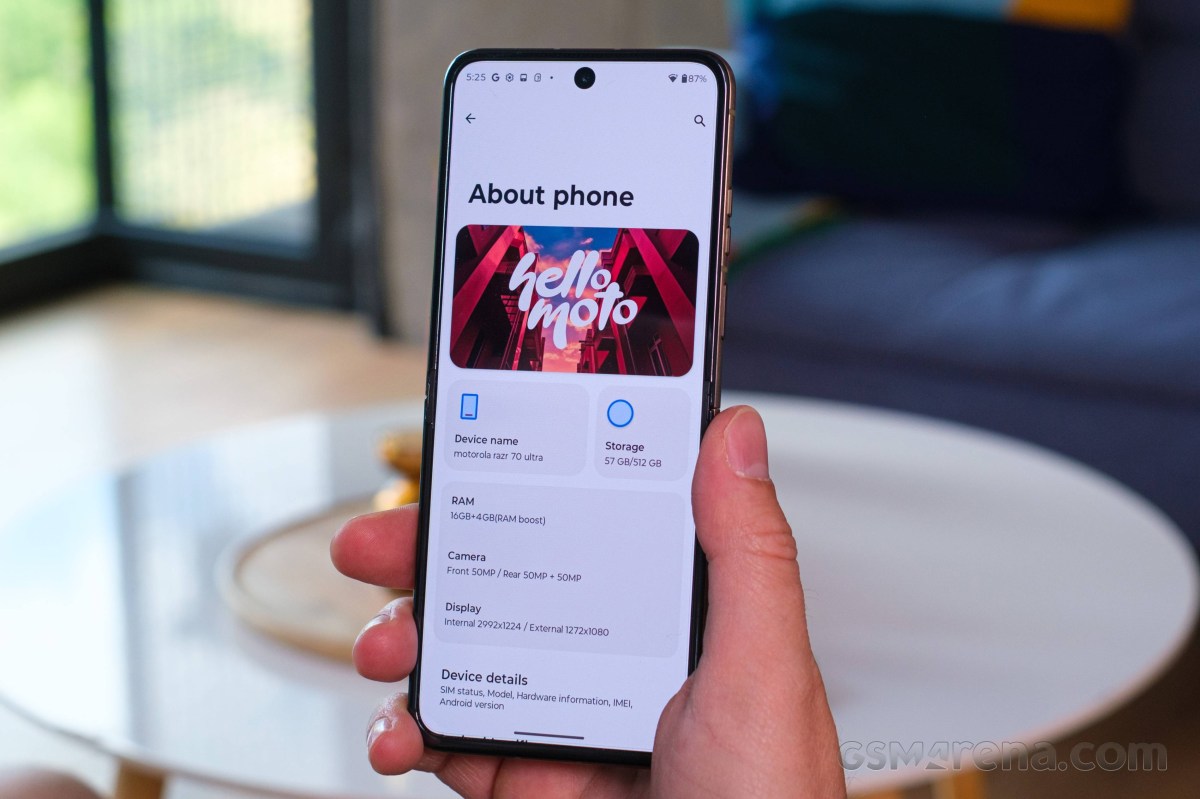
Anyway, Motorola's new iteration of Hello UI doesn't seem to be all that different from before. It looks a lot like AOSP with some added in-house features and finishing touches, and that remains mostly true.
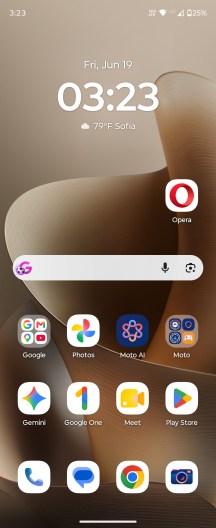
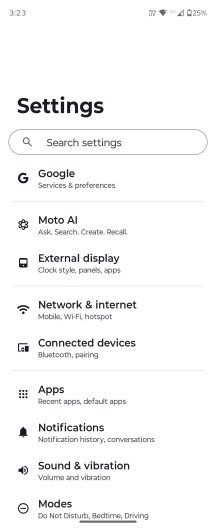
Home screen • Quick toggles • Settings menu
We've covered most of the features in the software section of our Moto Edge 70 review, so go check that one out.
In addition to the already familiar AI and connectivity features, the Razr 70 Ultra also has some unique functionalities that derive from its foldable form factor. Like Desk Display, for example.
Cover screen features
You can basically turn the phone into a desk clock with a cool wallpaper.
Cover display's home screen and quick toggles
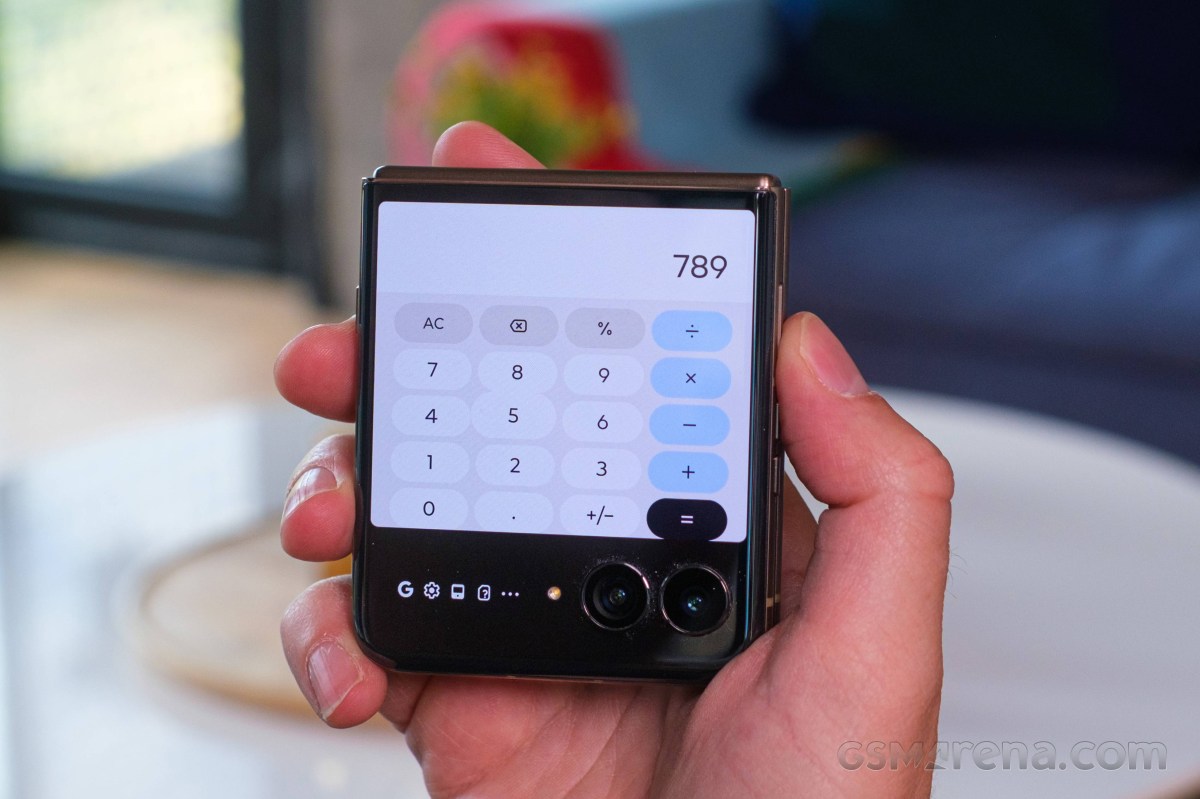
Also, the external display is fully functional - you can get directions with Google Maps, control your music player, check the weather app or even use the browser. Although it's a bit fiddly, as the screen is tiny.
Benchmark performance
Just like its predecessor, the Motorola Razr 70 Ultra runs on the Snapdragon 8 Elite chipset. The SoC is based on the 3nm manufacturing process and features third-generation Oryon CPU cores, promising a 20% performance and a 30% efficiency boost. The octa-core CPU configuration is 2+6 with 2x high-performance Oryon V3 Phoenix L cores ticking at 4.6 GHz and 6x Oryon V3 Phoenix M cores running at 3.62 GHz.
The GPU on board is Adreno 840 and also promises 23% improvement in performance and 20% in power efficiency. It should also be 25% better at ray-tracing than its predecessor.
Other notable features include Unreal Engine 5 support for console-level gaming and a Hexagon NPU with Qualcomm Sensing Hub, enabling 37% faster AI number crunching and agentic AI assistants.
The available memory configurations are 12GB/256GB,16GB/512GB and 16GB/1TB. In either case, you get UFS 4.1 storage. However, the 12GB/256GB configuration is hard to come by, so in most markets, the base iteration is 12GB/512GB.
Let's check out the benchmarks.
GeekBench 6
- Single-core
- Multi-core
 IQOO 15
 OnePlus 15
 OnePlus 13s
Motorola Razr 70 Ultra
Honor Magic V Flip 2
Galaxy Z Flip7
Motorola Razr 60 Ultra
OnePlus 13s
Motorola Razr 70 Ultra
Honor Magic V Flip 2
Galaxy Z Flip7
Motorola Razr 60 Ultra
AnTuTu
- v10
- v11
IQOO 15
OnePlus 15
OnePlus 13s
Honor Magic V Flip 2
Motorola Razr 70 Ultra
Motorola Razr 60 Ultra
Galaxy Z Flip7
3DMark - Wild Life Extreme (Highest)
OnePlus 15
IQOO 15
OnePlus 13s
Motorola Razr 60 Ultra
Motorola Razr 70 Ultra
Galaxy Z Flip7
Honor Magic V Flip 2
Unfortunately, cramming such a powerful chipset in a small, foldable phone like the Razr 70 Ultra comes at a cost. The handset struggles to utilize the Snapdragon 8 Elite's full potential, so it scores slightly lower than most SD 8 Elite-powered devices.
On the other hand, this year's Razr Ultra seems to be doing much better than its predecessor in this regard.
Sustained performance
Sadly, there are no changes in how the device handles heavy loads. Just like last year, the phone wasn't able to finish the full GPU stress test and overheated.
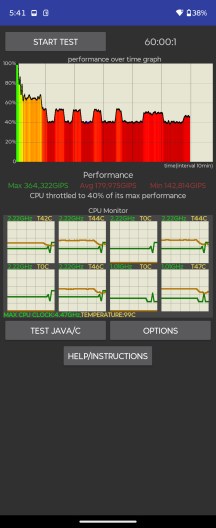

CPU and GPU stress tests
The CPU stress test was also bad, showing heavy throttling throughout.
Camera - photo and video quality
No major changes, solid dual setup
The Razr 70 Ultra doesn't change much in what was already a quite capable camera system on the previous model. You're getting a dual setup on the cover (wide and ultrawide, no tele), and an internal selfie camera for completeness' sake.
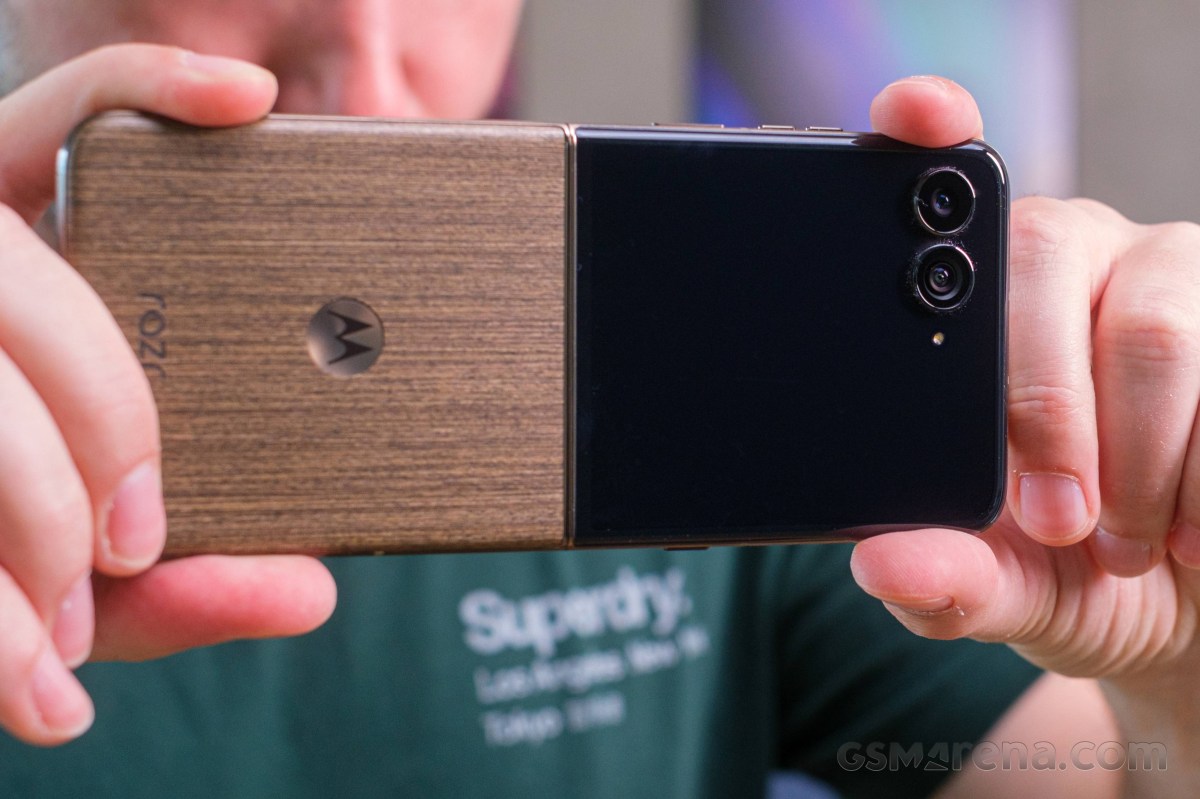
The main camera might just be new this time around - the phone reports an OmniVision OV50T sensor, in place of the Samsung GNJ found on last year's model. It's the first time we encounter this OV50T and there's not much information on it online, but the key specs are clear, and it's a 50MP 1/1.56" imager like the one on the predecessor. What does set it apart is its Lateral Overflow Integration Capacitor (LOFIC) technology, which "delivers up to 6x more dynamic range than the previous generation", Motorola says.
The ultrawide camera appears entirely unchanged though, with the same 50MP Sony sensor and AF-capable ultra-ultrawide 12mm equivalent lens.
The selfie camera has been carried over as well - another 50MP sensor (this one from Samsung, so all three big names are represented), paired with a fixed-focus lens.
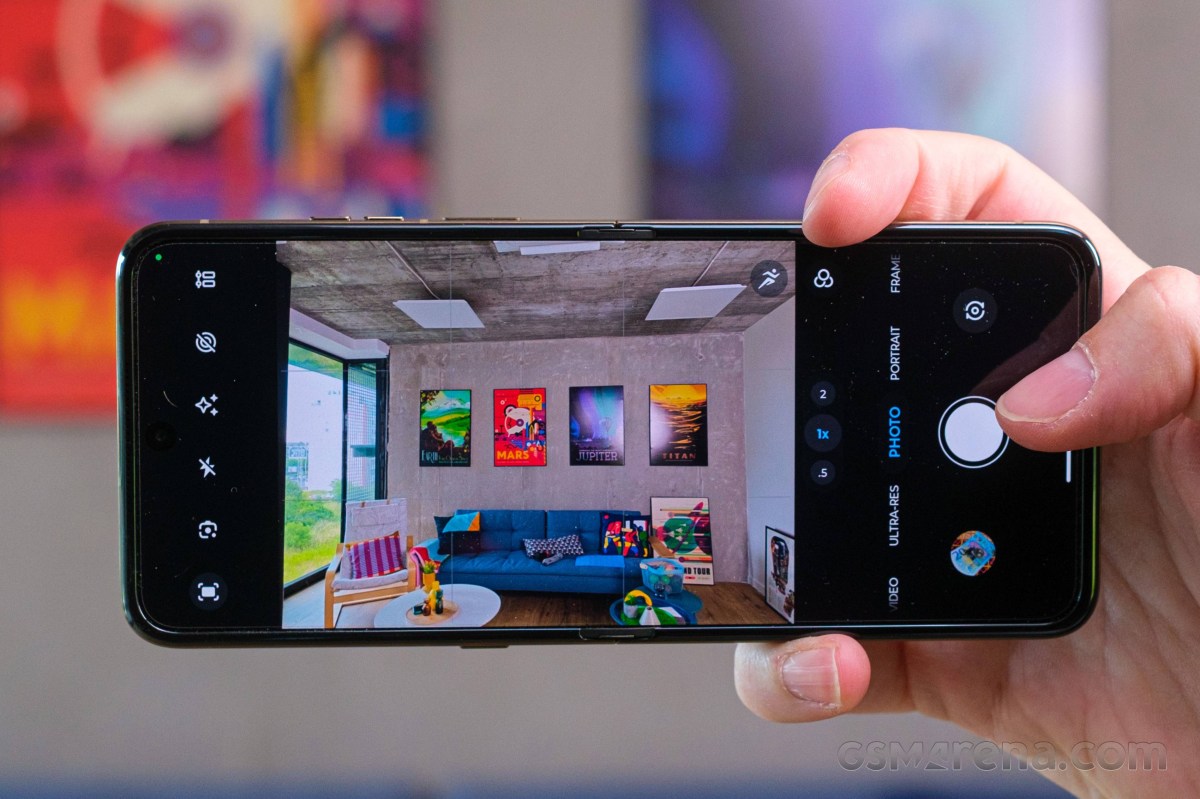
- Wide (main): 50MP OmniVision OV50T (1/1.56", 1.0µm-2.0µm); 22mm, f/1.8, OIS, PDAF; 8K30/4K60 video recording.
- Ultrawide: 50MP Sony IMX 816 (Lytia 500, 1/2.93", 0.6µm-1.2µm); 12mm, f/2.0, PDAF; 4K60.
- Front camera: 50MP Samsung ISOCELL JNS (S5KJNS, 1/2.76", 0.64µm-1.28µm); 22mm, f/1.9, fixed focus; 4K60.
You can operate the cover cameras from the cover screen, of course, and you get options to switch modes and change some relevant settings. The default behavior is tap anywhere to shoot, which seems straightforward enough. You still can't really zoom in beyond 1x though - not with pinching, not with tapping on the zoom button. We can imagine someone needing this missing option when using the phone propped up in tent mode on a table from across the room.
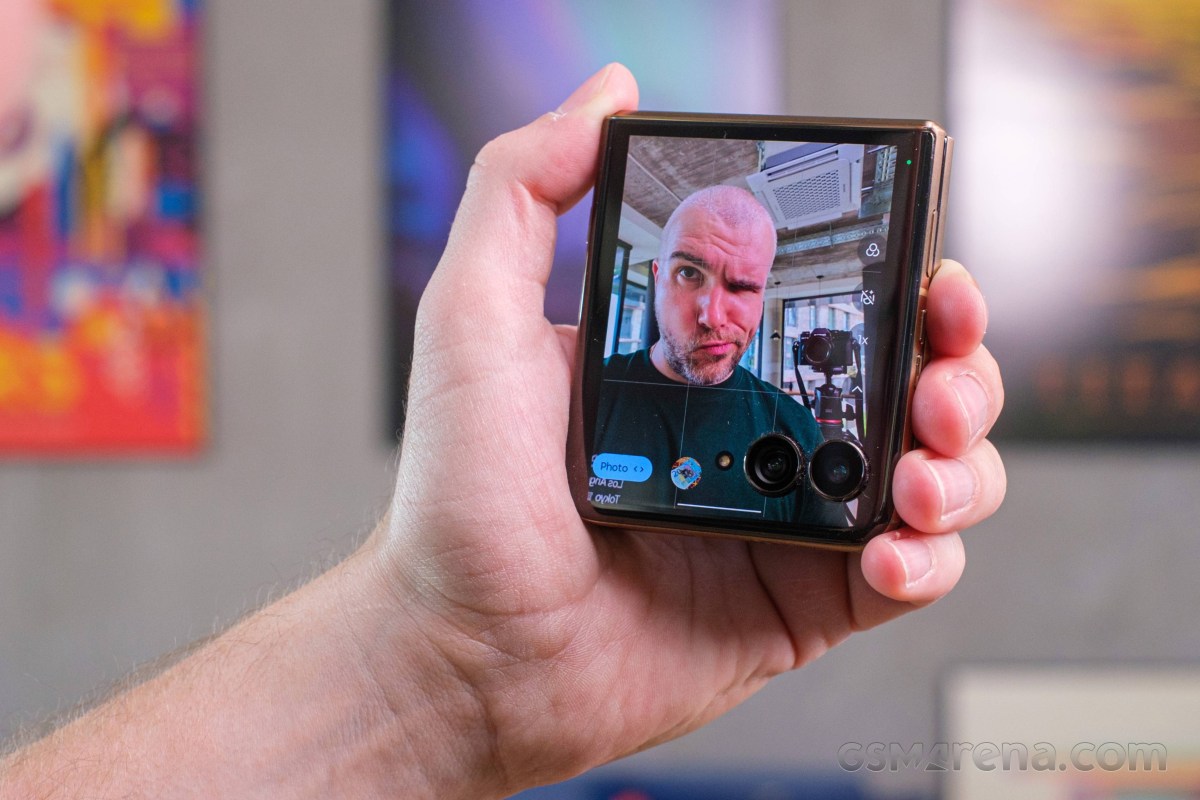
Naturally, the usual foldable-related use cases are also on the menu, including a split-screen interface for waist-level or overhead shooting. The 'camcorder' mode, where you can hold the Razr half-folded, mimicking a video camera from the 90s, is also here.
Daylight photo quality
Main camera
The Razr 70 Ultra takes excellent photos with its main camera in daytime. They have plenty of contrast (perhaps a touch too much), but also well-developed tonal extremes, and the vibrant take on colors completes an easily likable overall look. Detail is great too, with a reasonable amount of sharpening and a generally pleasing random texture rendition.








Daylight samples, main camera (1x)
People are also rendered nicely, with lifelike skin tones and great facial detail. The wide lens means you should be careful not to frame subjects too off-center though, because you'll get some distortion otherwise. We got very good Portrait mode results at 24mm too - subject detection works well, the bokeh effect is well judged, and both of these aspects are improved compared to what we got on the Razr 60 Ultra.






Human subjects, main camera: Photo mode (1x) • Portrait mode (24mm)
We see no reason to use the 50MP mode on the main camera, and here's a handful of samples to illustrate why - there's no extra detail, just bigger detail and heavy sharpening.




Daylight samples, main camera (1x), 50MP
When it comes to 2x zoom from the main camera, the Razr 70 Ultra just might be a step back from the Razr 60 Ultra's results. We are still getting very good detail here, but it's a bit more artificial and processed-looking than what we had on the previous model. Global properties remain excellent, of course.








Daylight samples, main camera (2x)
People shots at 2x aren't half bad either, whether in Photo mode, or in Portrait mode. We'll once again note that the Portrait mode's subject rendition and default blur properties are better than on last year's model.






Human subjects, main camera: Photo mode (2x) • Portrait mode (50mm)
Ultrawide camera
We'd also say that the ultrawide has an edge in sharpness over the one on the Razr 60 Ultra - the old model was a good performer in that respect, this one is a little better. Colors and dynamic range are excellent - these are certainly not bland images, but they're not cartoonish either. It's also worth pointing out that the lens is on the wider end of the ultrawide range, so you can have extra coverage or distorted perspectives.








Daylight samples, ultrawide camera (0.5x)
Again, though, we don't have much good to say about the 50MP versions of the above images.




Daylight samples, ultrawide camera (0.5x), 50MP
Close-ups
The ultrawide will focus very close, but it's hardly ideal for 'macro' shots - you'll be throwing a shadow on your subject or disturbing it in the process. You'd be a lot better off shooting on the main camera at 2x.




Close-up samples, ultrawide camera (0.5x)




Close-up samples, main camera (2x)
Low-light photo quality
Main camera
The main camera's exemplary performance at its native focal length continues into the night. We're looking at well-exposed photos with excellent dynamic range. The auto white balance copes with mixed lighting well, and the pleasing saturation we witnessed during the day remains a fixture in the low-light results. Detail is great too, and there's no night mode watercolor effect of excessive sharpening.








Low-light samples, main camera (1x)
The 2x results aren't quite as exciting, the overly liberal sharpening battling the inherent softness. Still, as 2x results from a wide camera go, these are quite alright, particularly for a clamshell foldable.








Low-light samples, main camera (2x)
Ultrawide camera
The ultrawide's low-light photos are good without truly shining. There's an improvement in dynamic range, especially in the highlights, and the color saturation is better than on the 60 Ultra, where things could look a little anemic. Detail is good overall, but shadows can be murky.








Low-light samples, ultrawide camera (0.5x)
Selfies
The almost unnecessarily good internal selfie camera of the Razr 60 Ultra makes a comeback on the 70 Ultra, and it takes even better photos now with even finer detail. Colors are quite nice too, and dynamic range is great, plus even the low-light results are pretty solid. It is missing AF, so for silly up-your-nose shots, you will still ultimately need the cover cameras.






Selfie samples, internal camera
The main camera is probably ideal for those, but it's also pretty great for general-purpose selfies. It will get you better subject separation thanks to the shallower depth of field, and it will ultimately treat you to higher quality results in terms of sharpness and color. It will be better in the dark too, naturally. Then there's the ultrawide, which will open up even more opportunities for unusual selfies.






Selfie samples, main camera (1x)




Selfie samples, ultrawide camera (0.5x)
Photo quality verdict
The Razr 70 Ultra proved to be a competent performer as a stills camera. Its main camera produces excellent results at its native focal length in all conditions, and it's also not bad at 2x - more so during the day, but also at night, within the context of the clamshell space. The ultrawide is also quite great during the day, but only good at night. The selfie camera on the inside is inside, but it's a little bit wasted since you'll probably just want to use the cover cameras for their extra quality and versatility.
Video quality
The Razr 70 Ultra can record video at up to 4K60 with all three of its cameras and the main one on the back adds an 8K30 option as well. There's still no 24fps option and no Pro video mode either.
The default codec is h.264 but you can flip a toggle to change it to h.265. Dolby Vision capture is available too, on both rear cameras up to 4K60.
There's always-on video stabilization, and there's also a horizon lock mode that works using the ultrawide cam at 1080p30.
You can hit '> play' below and use the '>| next' button to advance through the playlist of all video samples, or you can watch the full playlist on YouTube.
4K30 clips from the main camera at 1x are good overall. Detail is alright, dynamic range is good, and colors are vivid though the white balance might be a little off. The 2x results are pretty soft, but you can call them usable. The ultrawide is a bit extreme with its contrast and saturation, but it goes well with its extreme coverage - it's all a bit over the top.
Video screengrabs, daylight: 0.5x • 1x • 2x
The low-light results from the main camera are quite good at 1x, showing good detail, wide dynamic range and accurate colors. Тhe ultrawide's footage is noisy and soft-ish and has limited dynamic range.



Video screengrabs, low light: 0.5x • 1x • 2x
We're not huge fans of the stabilization on the Razr 70 Ultra, which is an odd development given how we praised the Razr 60 Ultra in that respect. Things are somewhat shivery when shooting from a stationary position on the main camera, and walking shake is also not ironed out well, plus there's a bit of a jello effect going on if you look for it. The ultrawide's stabilization is pretty great though.
Video quality verdict
The Razr 70 Ultra can record 4K60 clips with all of its cameras, and it can do it in Dolby Vision at that, so it's pretty well specced as a camcorder. Video quality overall is merely alright, though, and the main camera's stabilization is a bit of a letdown.
Alternatives, pros and cons, verdict
Competition
In most markets, the Moto Razr 70 Ultra (Razr Ultra 2026 in the US) is one of the few flip phone options around, especially in the US, where the handset goes against only one competitor - the Samsung Galaxy Z Flip7. Perhaps that's why the company probably felt comfortable raising the price to $1,499, up from $1,299 last year. Or the RAM shortage caught up to Motorola as well. In Europe, the Razr 70 Ultra remains steady at €1,299 for the 16/512GB variant.
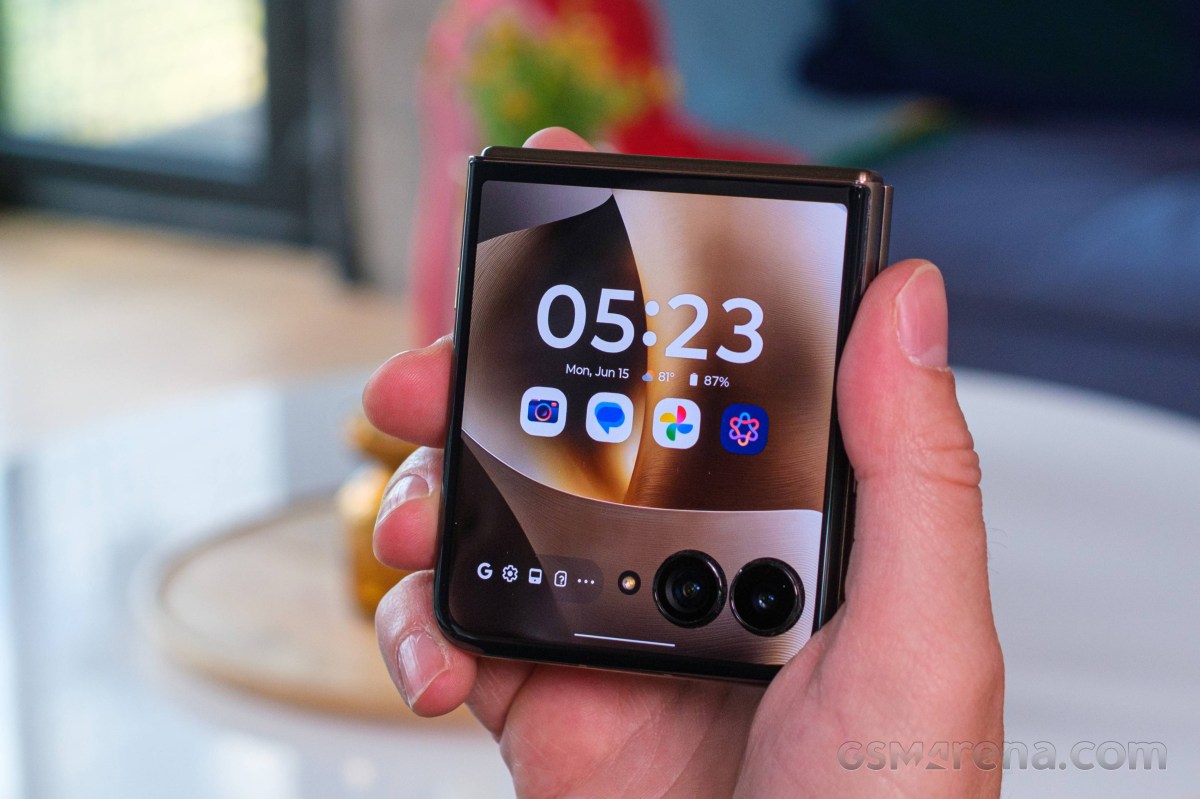
The US and Europe are not like China, where flip phones are in abundance. You have the Xiaomi Mix Flip 2, the nubia Flip3, the Honor Magic V Flip 2, etc.
Samsung Galaxy Z Flip7 • Motorola Razr 60 Ultra
In the end, the Razr 70 Ultra is left with only one rival to beat - the Galaxy Z Flip7. And it's hard to go against the pioneer in the industry, especially since the Z Flip7 is a yesteryear phone, but with longer software support. The Galaxy has the upper hand when it comes to pricing as well. It's €450 cheaper in Europe and undercuts the Motorola by $400 in the US.
On the other hand, the Razr 70 Ultra could be a compelling choice for many, given its superior battery life, faster charging and objectively better and more functional cover screen. The Z Flip7 lacks native app support, and it's mostly widget-based, whereas the Moto gives you plenty of cover screen-centric functionalities.
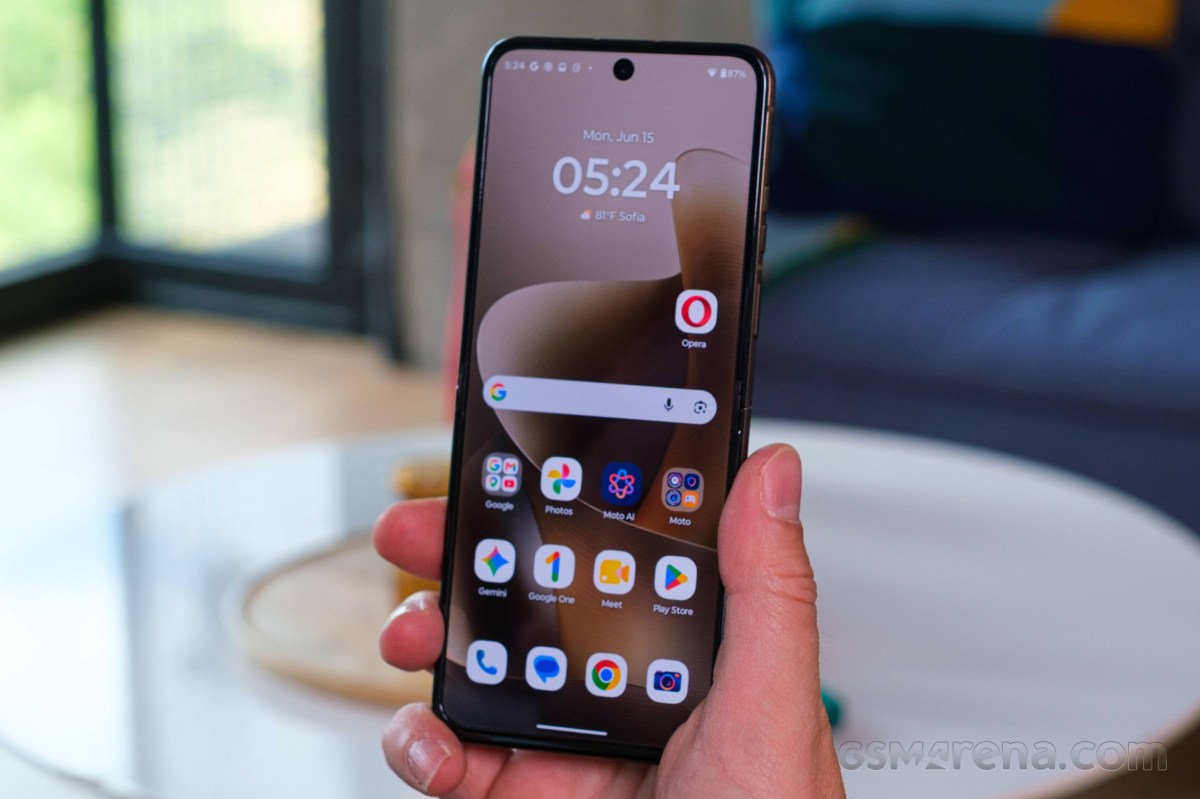
As far as the cameras are concerned, it's hard to tell which one is better as each has its trade-offs. For example, we tend to like Motorola's stills more, while the Z Flip7 records better videos.
Lastly, do consider the Razr 60 Ultra as well, since it's essentially the same phone with slightly lower battery capacity and its software support ends one year before the Razr 70 Ultra's. But it costs about half of what the newer Ultra is asking.
Verdict
Even though the Razr 70 Ultra has few real competitors, it feels like Motorola is really trying to produce a competitive device. The Razr 70 Ultra offers one of the best battery endurances for a flip phone, has unique design options, charges quite fast, snaps excellent stills with all of its cameras, as far as flip phones go, and offers a fully functional cover screen with some neat features.
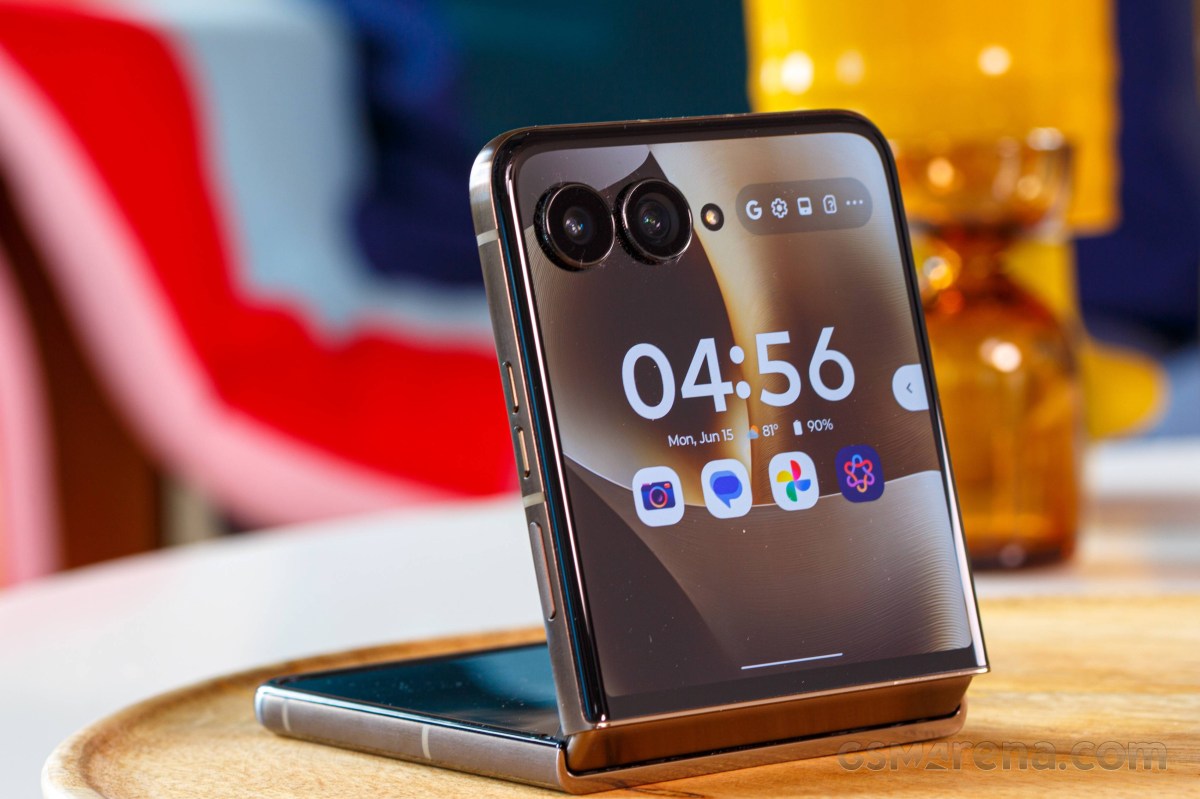
Sadly, this comes at a cost, especially for US consumers, where the price tag is hard to swallow. It may be indeed better than the competition in key areas, but it's still a pricey handset. And some minor missteps leave a lingering taste. For instance, the main display's HDR brightness is somewhat disappointing, and the 165Hz refresh rate is strictly conditional. Also, just 3 major OS updates no longer cut it for a flagship phone with a premium price tag.
Pros
- Standout color/material options.
- IP48 rating for survival in case of water submersion.
- Large, bright and fully functional cover display.
- Class-leading battery life; fastest-charging clamshell.
- Hello UI is both clean and full-featured; the cover screen functionality is wide-ranging.
- Great camera system for photos.
Cons
- Heavy CPU throttling, GPU overheating at maximal loads.
- Peak main screen brightness doesn't seem competitive.
- Speaker quality is worse than last year's model.
- Main cam video stabilization leaves more to be desired.
Introduction and unboxing
Introduction and specs
The revitalized Motorola Razr series makes a return exactly a year later, along with a new family member - the Motorola Razr Fold. But that's a subject for another review.
The Razr 70 Ultra, which is also known as the Razr Ultra 2026 for the North American market, doesn't stray away too much from its predecessor with little to no changes to the hardware. Motorola feels confident enough with its last year's flagship flip phone, so with just some minor tweaks, it's good to go against the 2026 competition. Which, to be honest, is still limited in the US and Europe.
The handset still relies on the Snapdragon 8 Elite chipset, although the lack of a chipset upgrade doesn't bother us at all. This is a powerful flagship SoC from 2025 to begin with, so the performance jump to the Snapdragon 8 Elite Gen 5 doesn't seem justified considering the form factor.
Motorola Razr 70 Ultra specs at a glance:
- Body: 171.5x74.0x7.2mm, 199g; Plastic front (unfolded), glass front (folded, Gorilla Glass Ceramic), aluminum frame; IP48 dust and water resistant (dust > 1mm; immersible up to 1.5m for 30 min).
- Display: 7.00" Foldable LTPO AMOLED, 1B colors, 165Hz, Dolby Vision, HDR10+, 5000 nits (peak), 1224x2992px resolution, 22:9 aspect ratio, 462ppi; Second external LTPO AMOLED, 1B colors, Dolby Vision, 165Hz, HDR10+, 3000 nits (peak), 4 inches, 1272 x 1080 pixels, 417 ppi, Gorilla Glass Ceramic.
- Chipset: Qualcomm Snapdragon 8 Elite (3 nm).
- Memory: 512GB 12GB RAM, 512GB 16GB RAM; UFS 4.0.
- OS/Software: Android 16.
- Rear camera: Wide (main): 50 MP, f/1.8, 1/1.56", 1.0µm, PDAF, OIS; Ultra wide angle: 50 MP, f/2.0, 122˚, 1/2.93", 0.6µm.
- Front camera: 50 MP, f/2.0, (wide), 0.64µm.
- Video capture: Rear camera: 8K@30fps, 4K@30/60/120fps, 1080p@30/60/120/240fps, Dolby Vision HDR10+; Front camera: 4K@30/60fps, 1080p@30/60fps.
- Battery: 5000mAh; 68W wired, 30W wireless, 5W reverse wired.
- Connectivity: 5G; eSIM; Wi-Fi 7; BT 5.4; NFC.
- Misc: Fingerprint reader (side-mounted); stereo speakers (with Dolby Atmos).
The display configuration is roughly the same as before - 7.0-inch foldable OLED on the inside and a 4.0-inch OLED on the outside.
There are no notable changes to the camera either, 50MP main camera aided by a 50MP ultrawide shooter and a 50MP selfie camera on the inside.
Perhaps the most noteworthy change is the battery capacity - Motorola bumped it up by 300 mAh this year, and the phone now carries a 5,000 mAh cell. It still supports 68W wired and 30W wireless charging.
Despite the modest upgrade this year, Motorola still hiked the price in some markets, potentially pushing some customers toward the Samsung Galaxy Z Flip7. Let's check out how the new Razr 70 Ultra performs in our full review.
Unboxing the Motorola Razr 70 Ultra
In Europe and in the USA, the retail package is modest as it contains only the usual quick start guides and a USB-C to USB-C cable used for charging and data transfer. Our unit in Europe also came with a stylish, faux leather protective case that matches the handset's design.
Motorola Razr 70 Ultra unboxing
To get the most out of the device's charging rate, you should buy Motorola's 68W USB PowerDelivery charger, or a compatible third-party one.
Design, build, handling
Design and hardware
The Motorola Razr 70 Ultra doesn't stray away from the familiar design concept - quite the contrary. The company is still trying to stand out from the crowd by offering a unique look with standout designs and materials with its Razr series.
There's only one structural change with this generation - the hinge is now reinforced with titanium. Depending on the colorway, you get the lower half of the back with an Alcantara finish or a wood veneer. The top half, where the cover display resides, is protected by Gorilla Glass Ceramic, while the frame is made of aluminum.
Motorola Razr 70 Ultra vs. Razr 70
There are only two color options for now, and once again, they are in line with Pantone's color catalog. The Orient Blue color comes with an embossed Alcantara finish, while the Cocoa variant that we have at the office features textured natural wood veneer. It's an interesting choice if you are looking for something classic.
Orient Blue • Cocoa
Despite being a flip foldable, the device still offers some sort of ingress protection, albeit not particularly high. It's IP48-rated, which means moderate dust resistance in addition to the solid water resistance.
When you unfold the device, you get to see the 7.0-inch flexible OLED screen with a decent (in a good way) crease in the middle.
The hinge feels solid and smooth; no complaints there. Once closed, the two halves lie flush against each other, and the hinge itself supports multiple angles. It remains open at pretty much any angle.
The fingerprint reader is once again integrated into the power button. It works well, and we didn't have any major hiccups. It's fast and reliable.
Speaking of the power button, it's located on the right side along with the two volume keys, while the dedicated AI assistant button is placed on the left side of the frame. The bottom is home to the SIM card tray and the USB-C port.
The SIM card tray can take up to two physical SIM cards, but the handset also supports eSIM. Regardless of the SIM configuration, there can be only two active SIM cards at the same time.
All in all, the Razr 70 Ultra is a premium device with an excellent build, leaving little to complain about. You also have the choice between two unique materials and styles.
Lab tests - display, battery life, charging speed, speakers
Familiar 7.0-inch foldable OLED and 4.0-inch cover screen
Naturally, the Razr 70 Ultra features two displays. One foldable inside and a small cover screen outside. Let's start with the main one.
When unfolded, the Razr 70 Ultra shows off a 7.0-inch foldable LTPO OLED display with 1224 x 2992px resolution. It supports 165Hz refresh rate, 10-bit color depth, Dolby Vision and HDR10+. It covers all bases for a flagship display. In other words, there are no changes compared to the previous generation Razr Ultra.
The cover screen is 4.0" with a square-ish aspect ratio and 1272 x 1080px resolution, but it's still LTPO OLED with the same features on board - 165Hz refresh rate, 10-bit color depth, Dolby Vision and HDR10+.
Even though Motorola advertises 5,000 nits peak brightness, we were unable to make the display boost that high. Still, it performed well in our tests, reaching 1,486 nits on a 75% white patch.
Unusually, there was no boost in max auto brightness when reducing our white patch from 75% down to 10%. These figures are more than enough for comfortable outdoor use even on a bright sunny day, but HDR performance is somewhat lacking. We were expecting at least 2,000 nits with the smaller patch. It could be an issue with our review sample.
Max display brightness test
White test pattern (nits)
- Manual (75% fill)
- Auto (75% fill)
Honor Magic V Flip 2
Motorola Razr 60 Ultra
Motorola Razr 70 Ultra
Galaxy Z Flip7
Galaxy Z Flip7 FE
The cover display posts slightly lower results, but still more than good enough to provide a solid outdoor experience.
Max display brightness test
White test pattern (nits)
- Manual (75% fill)
- Auto (75% fill)
Honor Magic V Flip 2 (Cover Display)
Motorola Razr 60 Ultra (Cover display)
Galaxy Z Flip7 (Cover display)
Galaxy Z Flip7 FE (Cover display)
Motorola Razr 70 Ultra (Cover Display)
The minimum brightness is approximately 2.8 nits, which is a bit too high for some users when using the phone in a pitch-black environment.
Refresh rate
Both the inner and the outer displays are marketed as 165Hz, but the hardware boosts to 165Hz only during some games when you enter Motorola's Gametime gaming mode. So for the most part, you can only go up to 120Hz. Also, some apps like Google Chrome can't go beyond 90Hz for some reason unless you force the Hyper Smooth setting.
Since the two displays are LTPO, they dial down to 1Hz when idle and boost up to 120Hz in most cases. They even match the videos' frames on YouTube, so you get 24Hz in 24fps videos, 30Hz in 30fps videos and so on.
Battery life
Perhaps the most notable change in the newer Razr Ultra is the battery capacity. It's now 5,000 mAh, up from 4,700 mAh last year, but since the rest of the hardware remains unchanged (same SoC, same displays), we weren't expecting any dramatic battery gains to begin with.
The tests show some positive movement in the video and game scenarios, but this year's web test seems identical to the one from last year.
Still, in the context of flip phones, the Razr 70 Ultra seems to be doing more than fine with its 16:32h Active Use Score. It outperforms its biggest competitor, the Galaxy Z Flip7, by a significant margin.
Charging speed
The Razr 70 Ultra supports the same 68W PD charging and 30W wireless charging as its predecessor. The modest change in the battery capacity doesn't seem to have affected the Razr 70 Ultra's ability to charge fast, so as expected, it performs just as well as the previous generation.
Charging speed
- in 15 min
- in 30 min
- Time to full charge (from 0%)
Motorola Razr 70 Ultra
Honor Magic V Flip 2
Motorola Razr 70
Galaxy Z Flip7
You can enable the usual options for prolonged battery lifespan such as Optimized Charging (going by your habits) and overcharge protection (80% limit most of the time and 100% once a week).
Charge boost is the opposite - it recharges faster, but the battery gets warmer. This is the mode we used for our charging test above.
Speakers
The Razr 70 Ultra relies on a dual set of hybrid stereo speakers. There's one that acts as an earpiece while the full-fledged loudspeaker is at the bottom, sitting behind the large hole next to the USB port. Even though it's a hybrid setup, the balance is quite okay. Still, the bottom one is noticeably louder.
Even though there's no reason to believe Motorola tinkered with the speakers, the results from our loudness and quality tests suggest otherwise. The newer Razr Ultra is not only quieter but also produces less-than-ideal sound quality. The tracks sound flatter with virtually no bass and with toned-down vocals in comparison. The Galaxy Z Flip7 is also objectively better when it comes to sound quality.
Use the Playback controls to listen to the phone sample recordings (best use headphones). We measure the average loudness of the speakers in LUFS. A lower absolute value means a louder sound. A look at the frequency response chart will tell you how far off the ideal "0db" flat line is the reproduction of the bass, treble, and mid frequencies. You can add more phones to compare how they differ. The scores and ratings are not comparable with our older loudspeaker test. Learn more about how we test here.
Software and performance
Android 16 and Hello UI
The Razr 70 Ultra boots Android 16 out of the box with Motorola's Hello UI overlay on top. Motorola promises 3 major OS updates and 4 years of security patches in the US (6 for the EU). That's a bit on the short end, given that most manufacturers offer more than 3 OS updates. Samsung, for example, pledges 7 updates for its Galaxy Z Flip7 phone.
Anyway, Motorola's new iteration of Hello UI doesn't seem to be all that different from before. It looks a lot like AOSP with some added in-house features and finishing touches, and that remains mostly true.
Home screen • Quick toggles • Settings menu
We've covered most of the features in the software section of our Moto Edge 70 review, so go check that one out.
In addition to the already familiar AI and connectivity features, the Razr 70 Ultra also has some unique functionalities that derive from its foldable form factor. Like Desk Display, for example.
Cover screen features
You can basically turn the phone into a desk clock with a cool wallpaper.
Cover display's home screen and quick toggles
Also, the external display is fully functional - you can get directions with Google Maps, control your music player, check the weather app or even use the browser. Although it's a bit fiddly, as the screen is tiny.
Benchmark performance
Just like its predecessor, the Motorola Razr 70 Ultra runs on the Snapdragon 8 Elite chipset. The SoC is based on the 3nm manufacturing process and features third-generation Oryon CPU cores, promising a 20% performance and a 30% efficiency boost. The octa-core CPU configuration is 2+6 with 2x high-performance Oryon V3 Phoenix L cores ticking at 4.6 GHz and 6x Oryon V3 Phoenix M cores running at 3.62 GHz.
The GPU on board is Adreno 840 and also promises 23% improvement in performance and 20% in power efficiency. It should also be 25% better at ray-tracing than its predecessor.
Other notable features include Unreal Engine 5 support for console-level gaming and a Hexagon NPU with Qualcomm Sensing Hub, enabling 37% faster AI number crunching and agentic AI assistants.
The available memory configurations are 12GB/256GB,16GB/512GB and 16GB/1TB. In either case, you get UFS 4.1 storage. However, the 12GB/256GB configuration is hard to come by, so in most markets, the base iteration is 12GB/512GB.
Let's check out the benchmarks.
GeekBench 6
- Single-core
- Multi-core
IQOO 15
OnePlus 15
OnePlus 13s
Motorola Razr 70 Ultra
Honor Magic V Flip 2
Galaxy Z Flip7
Motorola Razr 60 Ultra
AnTuTu
- v10
- v11
IQOO 15
OnePlus 15
OnePlus 13s
Honor Magic V Flip 2
Motorola Razr 70 Ultra
Motorola Razr 60 Ultra
Galaxy Z Flip7
3DMark - Wild Life Extreme (Highest)
OnePlus 15
IQOO 15
OnePlus 13s
Motorola Razr 60 Ultra
Motorola Razr 70 Ultra
Galaxy Z Flip7
Honor Magic V Flip 2
Unfortunately, cramming such a powerful chipset in a small, foldable phone like the Razr 70 Ultra comes at a cost. The handset struggles to utilize the Snapdragon 8 Elite's full potential, so it scores slightly lower than most SD 8 Elite-powered devices.
On the other hand, this year's Razr Ultra seems to be doing much better than its predecessor in this regard.
Sustained performance
Sadly, there are no changes in how the device handles heavy loads. Just like last year, the phone wasn't able to finish the full GPU stress test and overheated.
CPU and GPU stress tests
The CPU stress test was also bad, showing heavy throttling throughout.
Camera - photo and video quality
No major changes, solid dual setup
The Razr 70 Ultra doesn't change much in what was already a quite capable camera system on the previous model. You're getting a dual setup on the cover (wide and ultrawide, no tele), and an internal selfie camera for completeness' sake.
The main camera might just be new this time around - the phone reports an OmniVision OV50T sensor, in place of the Samsung GNJ found on last year's model. It's the first time we encounter this OV50T and there's not much information on it online, but the key specs are clear, and it's a 50MP 1/1.56" imager like the one on the predecessor. What does set it apart is its Lateral Overflow Integration Capacitor (LOFIC) technology, which "delivers up to 6x more dynamic range than the previous generation", Motorola says.
The ultrawide camera appears entirely unchanged though, with the same 50MP Sony sensor and AF-capable ultra-ultrawide 12mm equivalent lens.
The selfie camera has been carried over as well - another 50MP sensor (this one from Samsung, so all three big names are represented), paired with a fixed-focus lens.
- Wide (main): 50MP OmniVision OV50T (1/1.56", 1.0µm-2.0µm); 22mm, f/1.8, OIS, PDAF; 8K30/4K60 video recording.
- Ultrawide: 50MP Sony IMX 816 (Lytia 500, 1/2.93", 0.6µm-1.2µm); 12mm, f/2.0, PDAF; 4K60.
- Front camera: 50MP Samsung ISOCELL JNS (S5KJNS, 1/2.76", 0.64µm-1.28µm); 22mm, f/1.9, fixed focus; 4K60.
You can operate the cover cameras from the cover screen, of course, and you get options to switch modes and change some relevant settings. The default behavior is tap anywhere to shoot, which seems straightforward enough. You still can't really zoom in beyond 1x though - not with pinching, not with tapping on the zoom button. We can imagine someone needing this missing option when using the phone propped up in tent mode on a table from across the room.
Naturally, the usual foldable-related use cases are also on the menu, including a split-screen interface for waist-level or overhead shooting. The 'camcorder' mode, where you can hold the Razr half-folded, mimicking a video camera from the 90s, is also here.
Daylight photo quality
Main camera
The Razr 70 Ultra takes excellent photos with its main camera in daytime. They have plenty of contrast (perhaps a touch too much), but also well-developed tonal extremes, and the vibrant take on colors completes an easily likable overall look. Detail is great too, with a reasonable amount of sharpening and a generally pleasing random texture rendition.
Daylight samples, main camera (1x)
People are also rendered nicely, with lifelike skin tones and great facial detail. The wide lens means you should be careful not to frame subjects too off-center though, because you'll get some distortion otherwise. We got very good Portrait mode results at 24mm too - subject detection works well, the bokeh effect is well judged, and both of these aspects are improved compared to what we got on the Razr 60 Ultra.
Human subjects, main camera: Photo mode (1x) • Portrait mode (24mm)
We see no reason to use the 50MP mode on the main camera, and here's a handful of samples to illustrate why - there's no extra detail, just bigger detail and heavy sharpening.
Daylight samples, main camera (1x), 50MP
When it comes to 2x zoom from the main camera, the Razr 70 Ultra just might be a step back from the Razr 60 Ultra's results. We are still getting very good detail here, but it's a bit more artificial and processed-looking than what we had on the previous model. Global properties remain excellent, of course.
Daylight samples, main camera (2x)
People shots at 2x aren't half bad either, whether in Photo mode, or in Portrait mode. We'll once again note that the Portrait mode's subject rendition and default blur properties are better than on last year's model.
Human subjects, main camera: Photo mode (2x) • Portrait mode (50mm)
Ultrawide camera
We'd also say that the ultrawide has an edge in sharpness over the one on the Razr 60 Ultra - the old model was a good performer in that respect, this one is a little better. Colors and dynamic range are excellent - these are certainly not bland images, but they're not cartoonish either. It's also worth pointing out that the lens is on the wider end of the ultrawide range, so you can have extra coverage or distorted perspectives.
Daylight samples, ultrawide camera (0.5x)
Again, though, we don't have much good to say about the 50MP versions of the above images.
Daylight samples, ultrawide camera (0.5x), 50MP
Close-ups
The ultrawide will focus very close, but it's hardly ideal for 'macro' shots - you'll be throwing a shadow on your subject or disturbing it in the process. You'd be a lot better off shooting on the main camera at 2x.
Close-up samples, ultrawide camera (0.5x)
Close-up samples, main camera (2x)
Low-light photo quality
Main camera
The main camera's exemplary performance at its native focal length continues into the night. We're looking at well-exposed photos with excellent dynamic range. The auto white balance copes with mixed lighting well, and the pleasing saturation we witnessed during the day remains a fixture in the low-light results. Detail is great too, and there's no night mode watercolor effect of excessive sharpening.
Low-light samples, main camera (1x)
The 2x results aren't quite as exciting, the overly liberal sharpening battling the inherent softness. Still, as 2x results from a wide camera go, these are quite alright, particularly for a clamshell foldable.
Low-light samples, main camera (2x)
Ultrawide camera
The ultrawide's low-light photos are good without truly shining. There's an improvement in dynamic range, especially in the highlights, and the color saturation is better than on the 60 Ultra, where things could look a little anemic. Detail is good overall, but shadows can be murky.
Low-light samples, ultrawide camera (0.5x)
Selfies
The almost unnecessarily good internal selfie camera of the Razr 60 Ultra makes a comeback on the 70 Ultra, and it takes even better photos now with even finer detail. Colors are quite nice too, and dynamic range is great, plus even the low-light results are pretty solid. It is missing AF, so for silly up-your-nose shots, you will still ultimately need the cover cameras.
Selfie samples, internal camera
The main camera is probably ideal for those, but it's also pretty great for general-purpose selfies. It will get you better subject separation thanks to the shallower depth of field, and it will ultimately treat you to higher quality results in terms of sharpness and color. It will be better in the dark too, naturally. Then there's the ultrawide, which will open up even more opportunities for unusual selfies.
Selfie samples, main camera (1x)
Selfie samples, ultrawide camera (0.5x)
Photo quality verdict
The Razr 70 Ultra proved to be a competent performer as a stills camera. Its main camera produces excellent results at its native focal length in all conditions, and it's also not bad at 2x - more so during the day, but also at night, within the context of the clamshell space. The ultrawide is also quite great during the day, but only good at night. The selfie camera on the inside is inside, but it's a little bit wasted since you'll probably just want to use the cover cameras for their extra quality and versatility.
Video quality
The Razr 70 Ultra can record video at up to 4K60 with all three of its cameras and the main one on the back adds an 8K30 option as well. There's still no 24fps option and no Pro video mode either.
The default codec is h.264 but you can flip a toggle to change it to h.265. Dolby Vision capture is available too, on both rear cameras up to 4K60.
There's always-on video stabilization, and there's also a horizon lock mode that works using the ultrawide cam at 1080p30.
You can hit '> play' below and use the '>| next' button to advance through the playlist of all video samples, or you can watch the full playlist on YouTube.
4K30 clips from the main camera at 1x are good overall. Detail is alright, dynamic range is good, and colors are vivid though the white balance might be a little off. The 2x results are pretty soft, but you can call them usable. The ultrawide is a bit extreme with its contrast and saturation, but it goes well with its extreme coverage - it's all a bit over the top.
Video screengrabs, daylight: 0.5x • 1x • 2x
The low-light results from the main camera are quite good at 1x, showing good detail, wide dynamic range and accurate colors. Тhe ultrawide's footage is noisy and soft-ish and has limited dynamic range.
Video screengrabs, low light: 0.5x • 1x • 2x
We're not huge fans of the stabilization on the Razr 70 Ultra, which is an odd development given how we praised the Razr 60 Ultra in that respect. Things are somewhat shivery when shooting from a stationary position on the main camera, and walking shake is also not ironed out well, plus there's a bit of a jello effect going on if you look for it. The ultrawide's stabilization is pretty great though.
Video quality verdict
The Razr 70 Ultra can record 4K60 clips with all of its cameras, and it can do it in Dolby Vision at that, so it's pretty well specced as a camcorder. Video quality overall is merely alright, though, and the main camera's stabilization is a bit of a letdown.
Alternatives, pros and cons, verdict
Competition
In most markets, the Moto Razr 70 Ultra (Razr Ultra 2026 in the US) is one of the few flip phone options around, especially in the US, where the handset goes against only one competitor - the Samsung Galaxy Z Flip7. Perhaps that's why the company probably felt comfortable raising the price to $1,499, up from $1,299 last year. Or the RAM shortage caught up to Motorola as well. In Europe, the Razr 70 Ultra remains steady at €1,299 for the 16/512GB variant.
The US and Europe are not like China, where flip phones are in abundance. You have the Xiaomi Mix Flip 2, the nubia Flip3, the Honor Magic V Flip 2, etc.
Samsung Galaxy Z Flip7 • Motorola Razr 60 Ultra
In the end, the Razr 70 Ultra is left with only one rival to beat - the Galaxy Z Flip7. And it's hard to go against the pioneer in the industry, especially since the Z Flip7 is a yesteryear phone, but with longer software support. The Galaxy has the upper hand when it comes to pricing as well. It's €450 cheaper in Europe and undercuts the Motorola by $400 in the US.
On the other hand, the Razr 70 Ultra could be a compelling choice for many, given its superior battery life, faster charging and objectively better and more functional cover screen. The Z Flip7 lacks native app support, and it's mostly widget-based, whereas the Moto gives you plenty of cover screen-centric functionalities.
As far as the cameras are concerned, it's hard to tell which one is better as each has its trade-offs. For example, we tend to like Motorola's stills more, while the Z Flip7 records better videos.
Lastly, do consider the Razr 60 Ultra as well, since it's essentially the same phone with slightly lower battery capacity and its software support ends one year before the Razr 70 Ultra's. But it costs about half of what the newer Ultra is asking.
Verdict
Even though the Razr 70 Ultra has few real competitors, it feels like Motorola is really trying to produce a competitive device. The Razr 70 Ultra offers one of the best battery endurances for a flip phone, has unique design options, charges quite fast, snaps excellent stills with all of its cameras, as far as flip phones go, and offers a fully functional cover screen with some neat features.
Sadly, this comes at a cost, especially for US consumers, where the price tag is hard to swallow. It may be indeed better than the competition in key areas, but it's still a pricey handset. And some minor missteps leave a lingering taste. For instance, the main display's HDR brightness is somewhat disappointing, and the 165Hz refresh rate is strictly conditional. Also, just 3 major OS updates no longer cut it for a flagship phone with a premium price tag.
Pros
- Standout color/material options.
- IP48 rating for survival in case of water submersion.
- Large, bright and fully functional cover display.
- Class-leading battery life; fastest-charging clamshell.
- Hello UI is both clean and full-featured; the cover screen functionality is wide-ranging.
- Great camera system for photos.
Cons
- Heavy CPU throttling, GPU overheating at maximal loads.
- Peak main screen brightness doesn't seem competitive.
- Speaker quality is worse than last year's model.
- Main cam video stabilization leaves more to be desired.