Oppo Reno16 Pro review
Verdict
In-depth review of the Oppo Reno16 Pro
Introduction and unboxing
Introduction and specs
It's time for the bi-annual Oppo Reno refresh, and this June, we are getting the Reno16 and Reno16 Pro, along with the Reno16 F and Reno16 FS. The subject of this review, however, is the Pro model, which sits on top of the lineup and offers a minor refresh over its predecessor. So don't expect a generational upgrade.
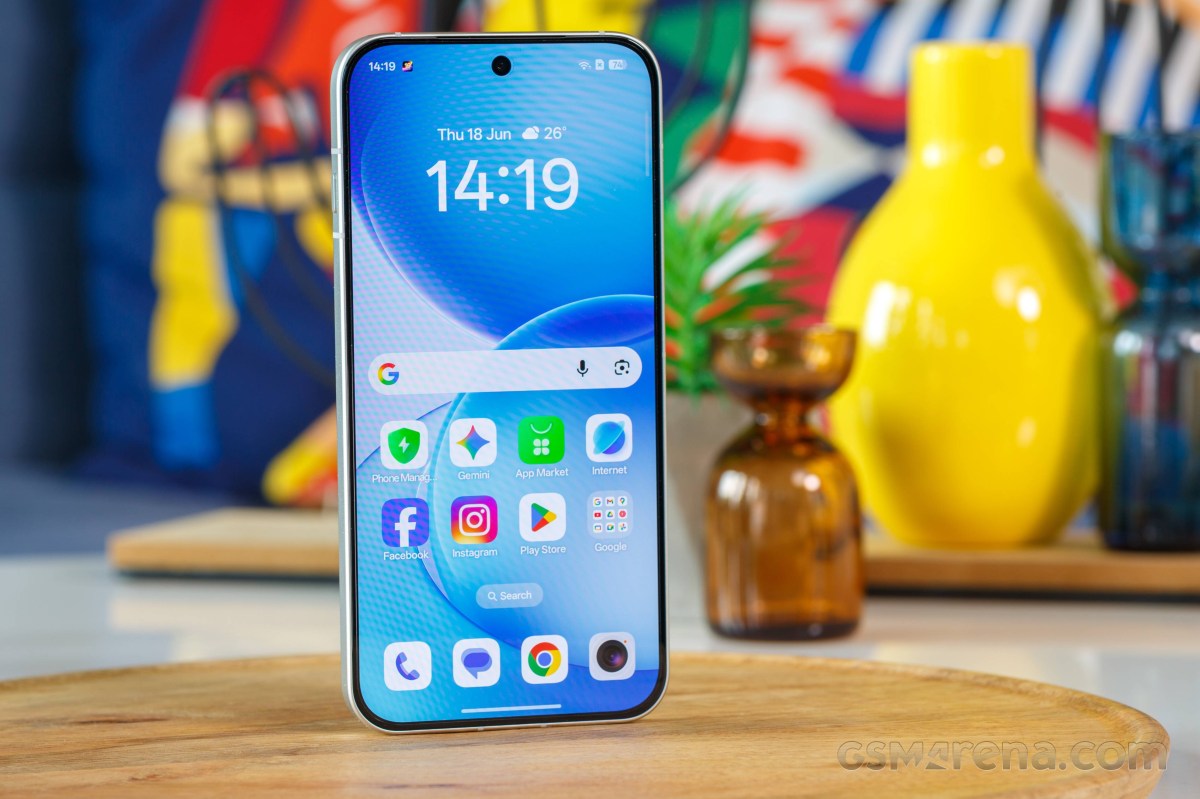
Anyway, the Reno16 Pro feels more refined in a way, primarily feature-wise. For instance, the new Reno16 Pro features an additional hardware button called AI Snap Key, which can be remapped to your liking. It also adds a handful of new AI features and new camera functionalities that were not present in the Reno15 series.
The smartphone also gets a new chipset, while the display's refresh rate is bumped up to 144Hz and the battery gains a few hundred milliamps. Then again, if you are situated in Europe, the Reno16 Pro's battery capacity is actually lower than the Reno15 Pro's - 6,000 mAh, down from 6,200 mAh.
Oppo Reno16 Pro specs at a glance:
- Body: 151.2x72.4x8.2mm, 188g; Glass front, aluminum frame, glass back or composite plastic back; IP68/IP69K dust-tight and water-resistant (high-pressure water jets; immersible up to 1.5m for 30 min).
- Display: 6.32" AMOLED, 1B colors, 144Hz, 3840Hz PWM, HDR10+, 600 nits (typ), 1800 nits (HBM), 3600 nits (peak), 1216x2640px resolution, 19.54:9 aspect ratio, 460ppi.
- Chipset: Mediatek Dimensity 8550 Super (4 nm).
- Memory: 256GB 12GB RAM, 512GB 12GB RAM; UFS 3.1.
- OS/Software: Android 16, ColorOS 16.
- Rear camera: Wide (main): 200 MP, f/1.8, 24mm, 1/1.56", 0.5µm, PDAF, OIS; Telephoto: 50 MP, f/2.8, 80mm, 1/2.75", 0.64µm, PDAF, OIS, 3.5x optical zoom; Ultra wide angle: 50 MP, f/2.0, 16mm, 116˚, 1/2.88", 0.61µm, AF.
- Front camera: 50 MP, f/2.0, 18mm, 100˚ (ultrawide), 1/2.75", 0.64µm, AF.
- Video capture: Rear camera: 4K@30/60fps, 1080p@30/60/120/240/480fps, 720p@960fps, gyro-EIS, HDR, OIS; Front camera: 4K@30/60fps, 1080p@30/60fps, gyro-EIS, HDR.
- Battery: 6700mAh (6,000 mAh in Europe); 80W wired, 44/80W UFCS, 55W PPS, 13.5W PD, 100% in 57 min, Reverse wired.
- Connectivity: 5G; eSIM; Wi-Fi 6; BT 5.4, aptX HD, LHDC 5; NFC; Infrared port.
- Misc: Fingerprint reader (under display, optical); stereo speakers.
But what about the regular Reno16? What does the Pro have that the non-Pro doesn't? Again, it's the higher refresh rate at 144Hz instead of 120Hz, it's the better main 200MP camera, it's the more powerful SoC, and it's the bigger battery (in some markets).
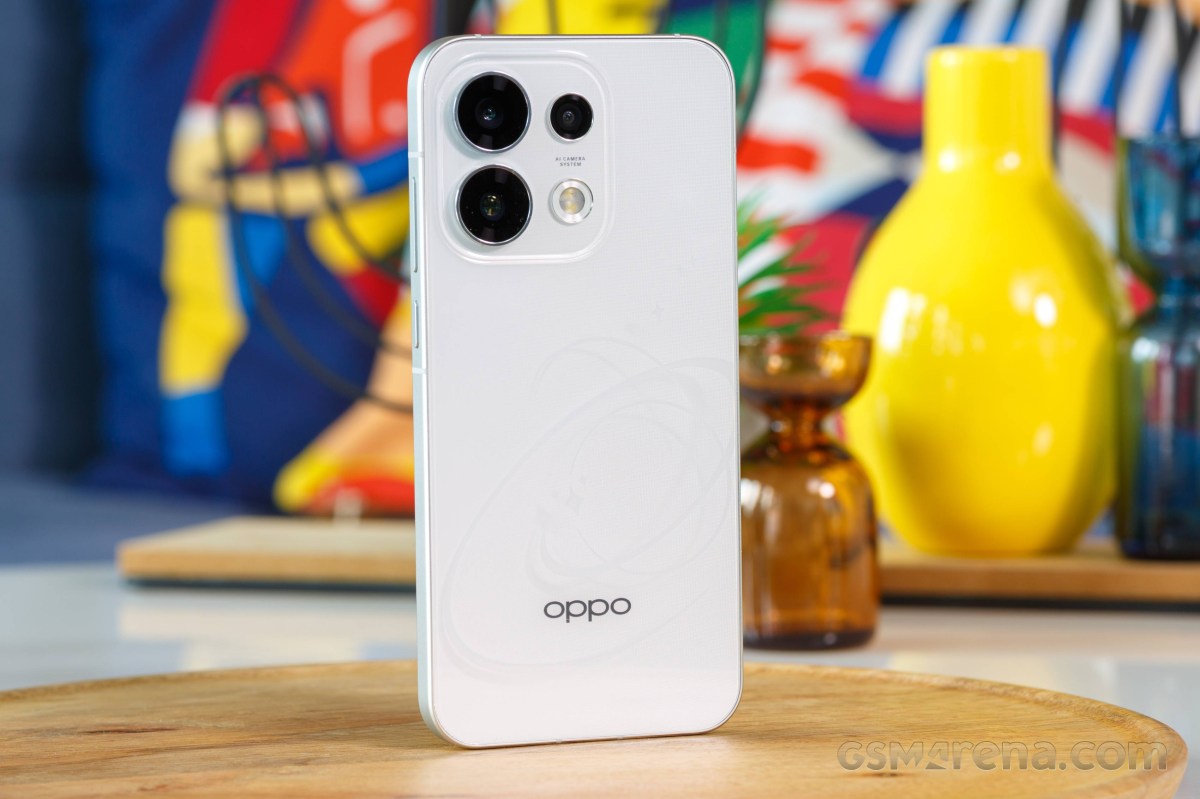
Still, the minor bumps in the specs, along with the iPhone-level build quality and feel, make the Reno16 Pro seem like a decent refresh for the second half of 2026. What's usually holding the Reno series back at launch is the hefty initial price. Let's see if it's justified this time around.
Unboxing the Oppo Reno16 Pro
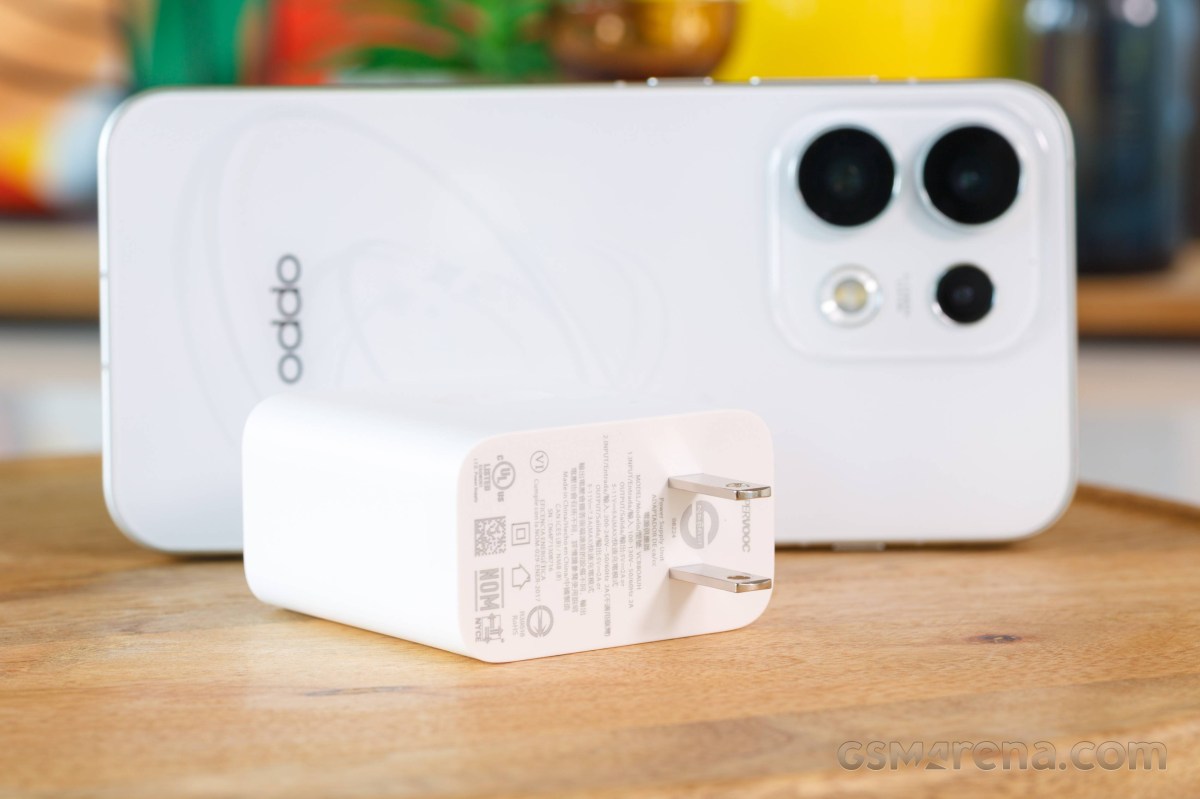
We received the global version of the Oppo Reno16 Pro, so the retail package contained not only the user manuals and the USB-A to USB-C cable, but also the appropriate 80W SuperVOOC charger. The European box, for example, skips the charger, so you will have to buy one separately.
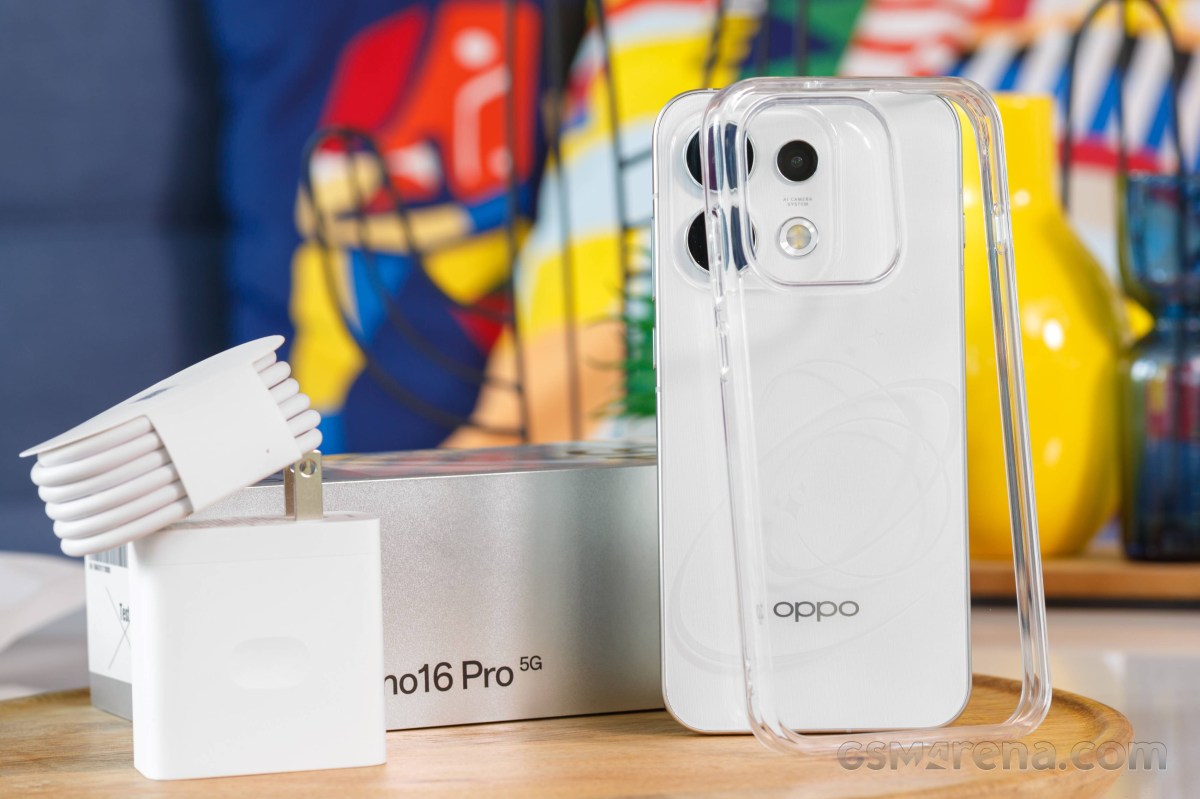
The device also comes with a transparent silicone case so you don't conceal the cool design.
Design, build, handling
Design and build
The Reno16 Pro's design is largely similar to the Reno15 Pro's, with just a small tweak in the camera arrangement on the back. But that iPhone-esque feel remains. Not just visually, but also in person. Oppo nailed it with the Reno15 and 16 series when it comes to build quality and craftsmanship.
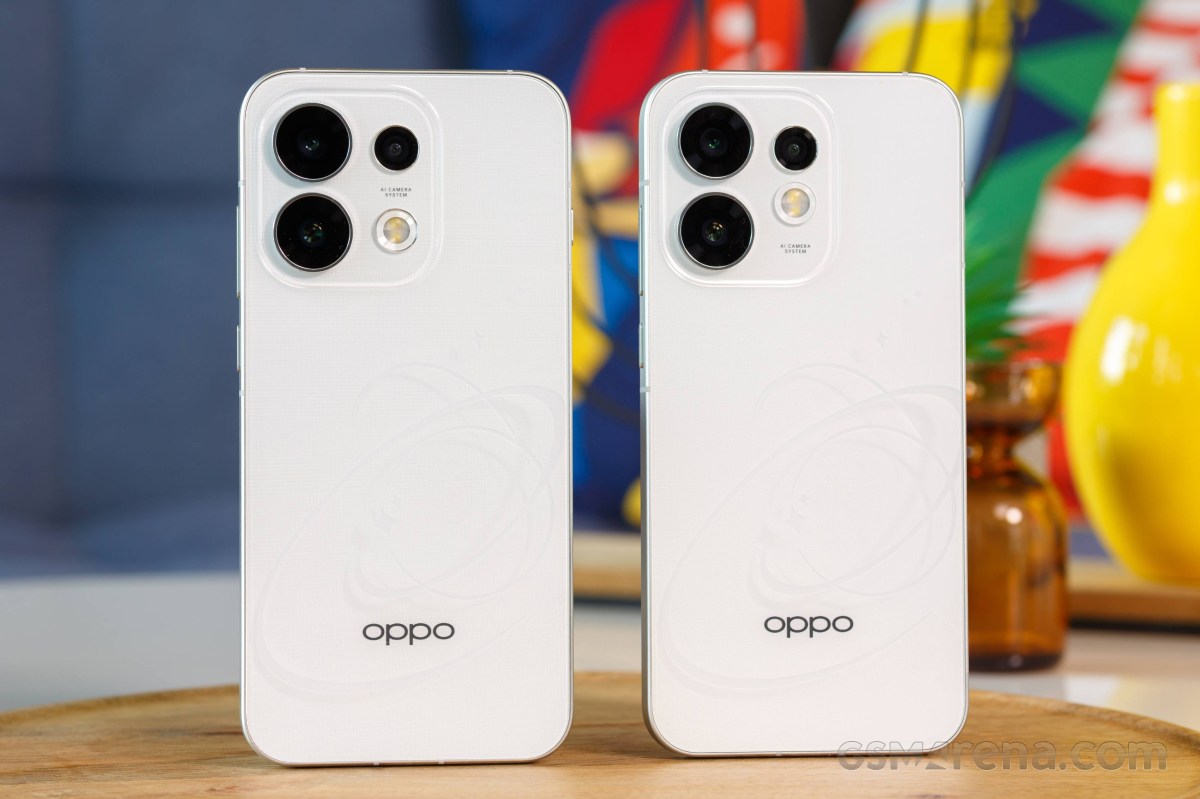 Oppo Reno16 Pro vs. Reno16
The Reno16 Pro uses Gorilla Glass 7i protection on the front and aerospace aluminum frame, while the back is unspecified glass.
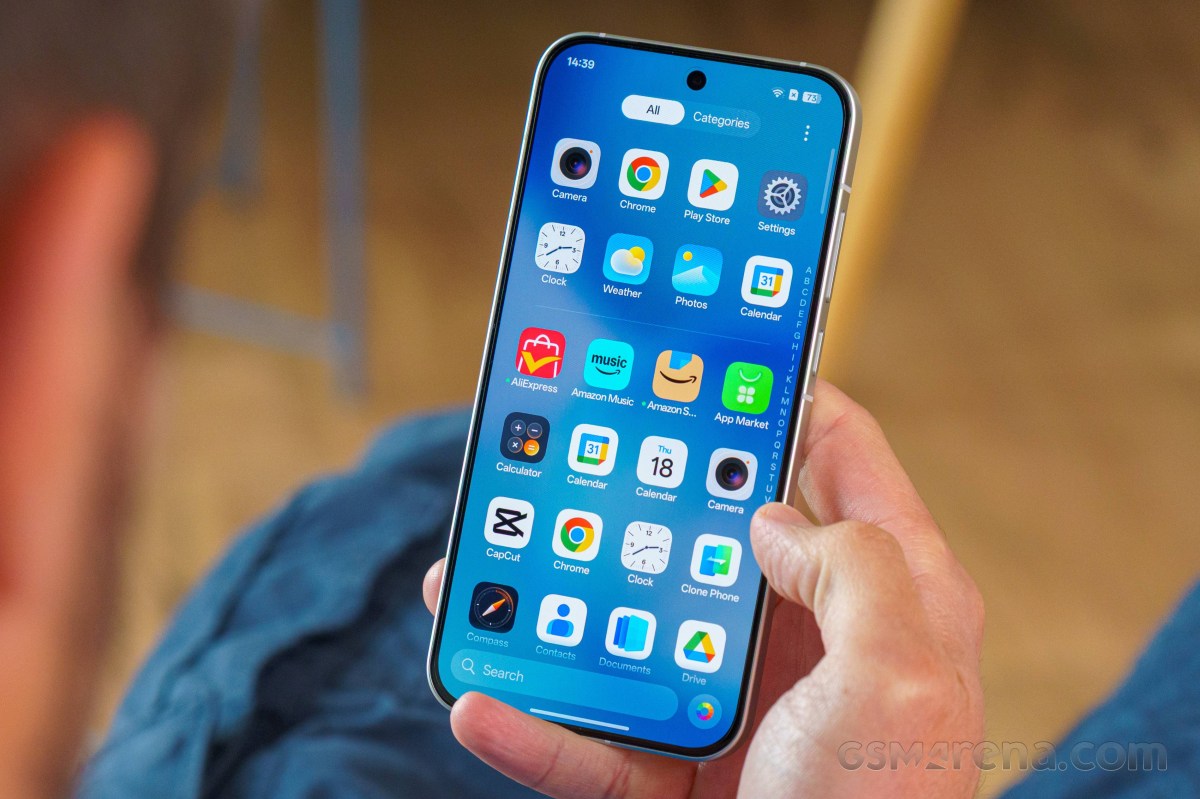
In addition to the small diagonal and thin profile, the Reno16 Pro is a pleasure to hold and use.

The handset also boasts four ingress protection certificates - IP66, IP68, IP69 and IP69K. Quite the reassuring collection.
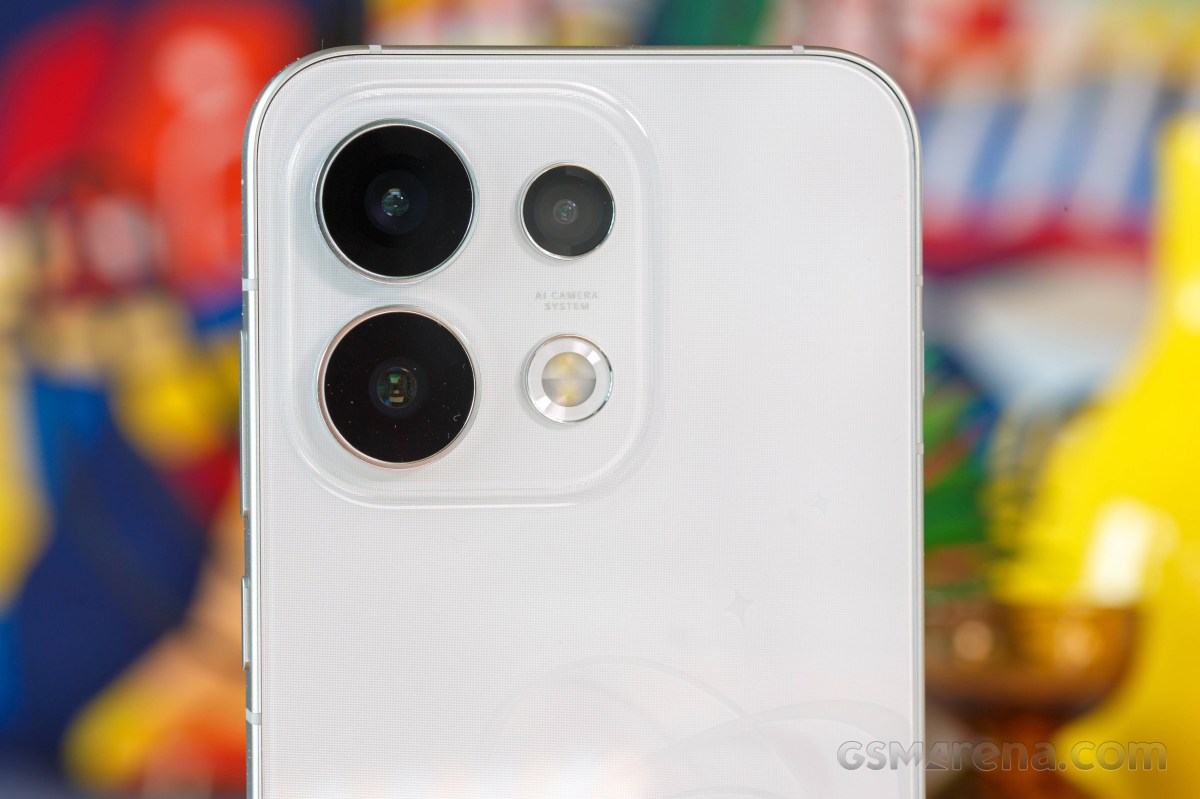
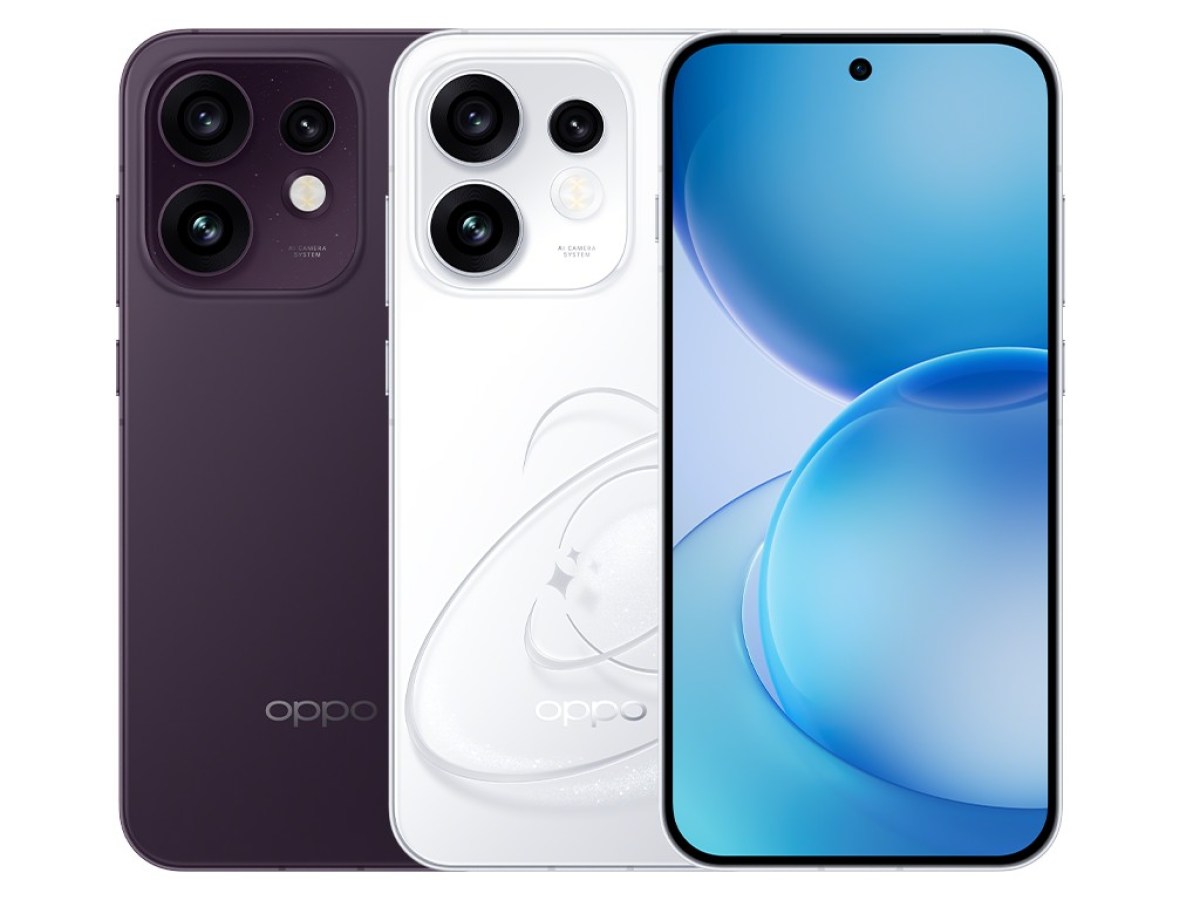
This time around, the Reno16 Pro comes in two colors - Starlight Black and Pop White. Oppo is pretty proud of the Pop White paint job that we have here in the office, and it's because of that 3D pop effect of the planet. When you move the phone around under the light, it shifts and casts a shadow.
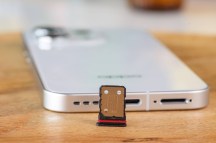
Going around the sides, you will find the volume rocker and power button on the right and the AI Snap Key on the left. The bottom is home to the SIM card tray that can take up to two cards. eSIM support is available, but only two SIM cards can be active simultaneously.


Oppo Reno16 Pro
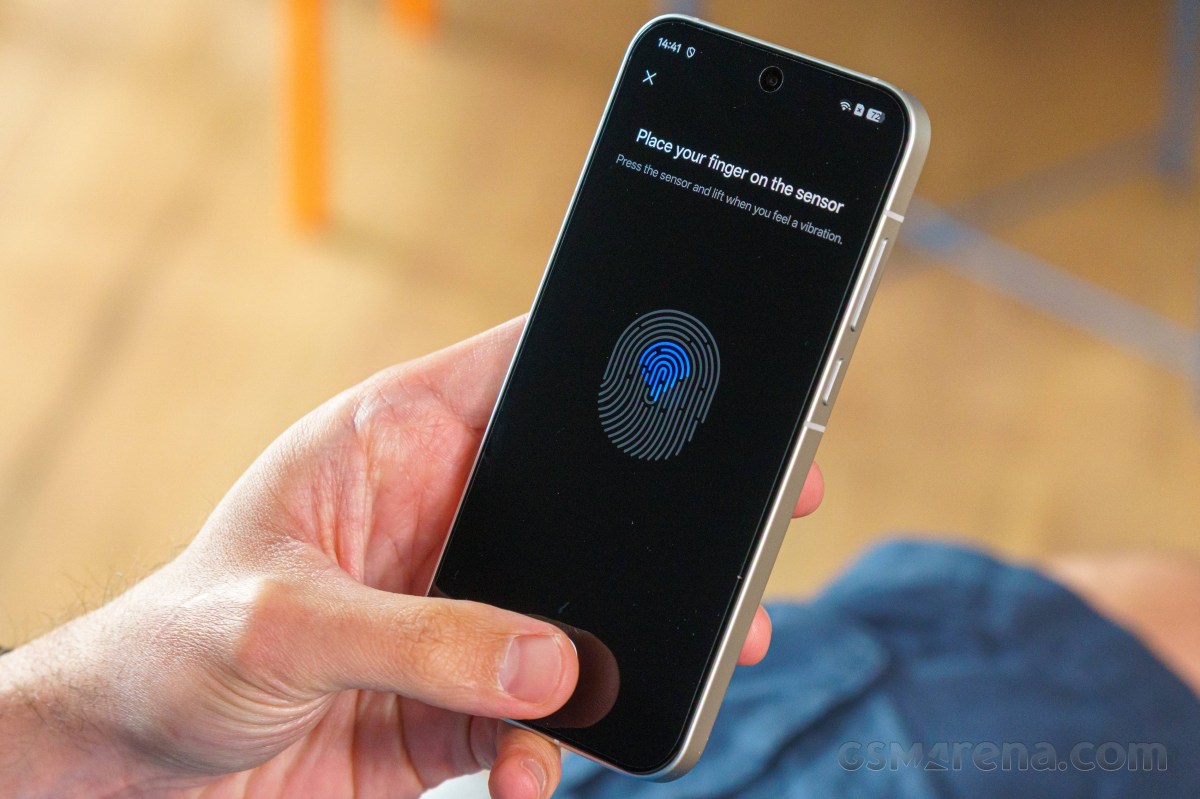
The optical fingerprint reader performed well during our testing. We only wished it were placed a little higher. It's a bit too close to the bottom edge and feels awkward to use.
As per tradition, one of the Reno series' strongest suits is design, and the last two generations feel more refined than ever.
Lab tests - display, battery life, charging, speakers
Overclocked 6.32-inch display
On paper, the 6.32-inch OLED display here is nearly identical to the one on the Reno15 Pro. They share the same 1216 x 2640px resolution, 10-bit color depth and HDR10+. The only difference is that the newer screen reaches 144Hz in certain scenarios, but more on that later.
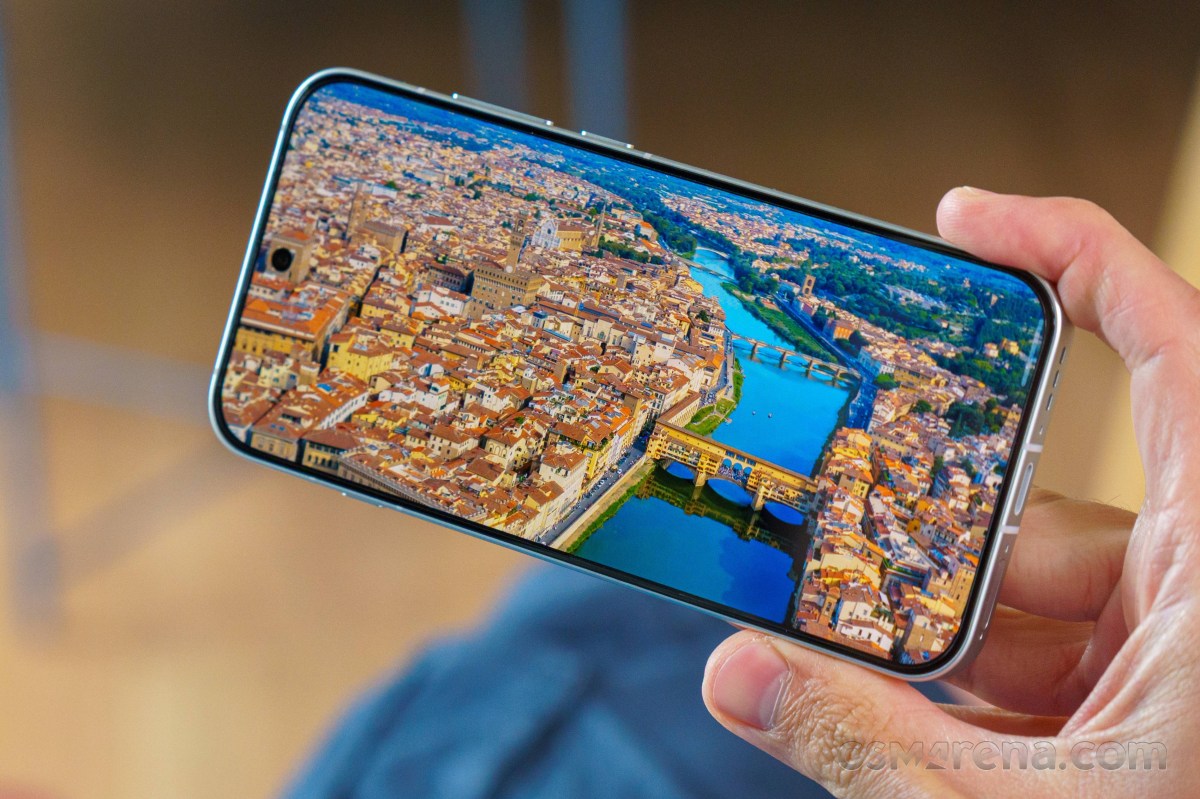
Brightness-wise, the display should be like the previous one, but we got significantly lower results. It may be an issue with our review unit. See the Reno16, for instance, which features the same display and scores higher on max brightness.


Oppo Reno16 Pro
The auto brightness was typical for an Oppo phone, though. We got higher brightness levels in the default Gallery app compared to the browser. Rest assured, the retail units are bright enough for an excellent outdoor visibility and HDR experience.
Max display brightness test
White test pattern (nits)
- Manual (75% fill)
- Auto (75% fill)
- Peak Auto (10% fill)
 Pixel 10 Pro
 Oppo Reno15 Pro (mini) gallery
 Oppo Reno16 (Gallery)
 Honor 600 Pro
 Oppo Reno16 Pro
Oppo Reno16
Oppo Reno16 Pro
Oppo Reno16
 Xiaomi 17T Pro
The minimum brightness is 1.9 nits, which is dim enough for a pitch-black room.
Refresh rate
The refresh rate modes are as usual - Auto, Standard and High. Auto and High behave the same way - 60Hz for idle screen and video playback, 90Hz for web browser and system apps, 60Hz for Netflix, YouTube, Camera, and more, 120Hz for UI, games, and benchmarks. However, in Chrome, for example, you get only 90Hz unless you force it through the High setting, as it offers per-app refresh rate adjustments.
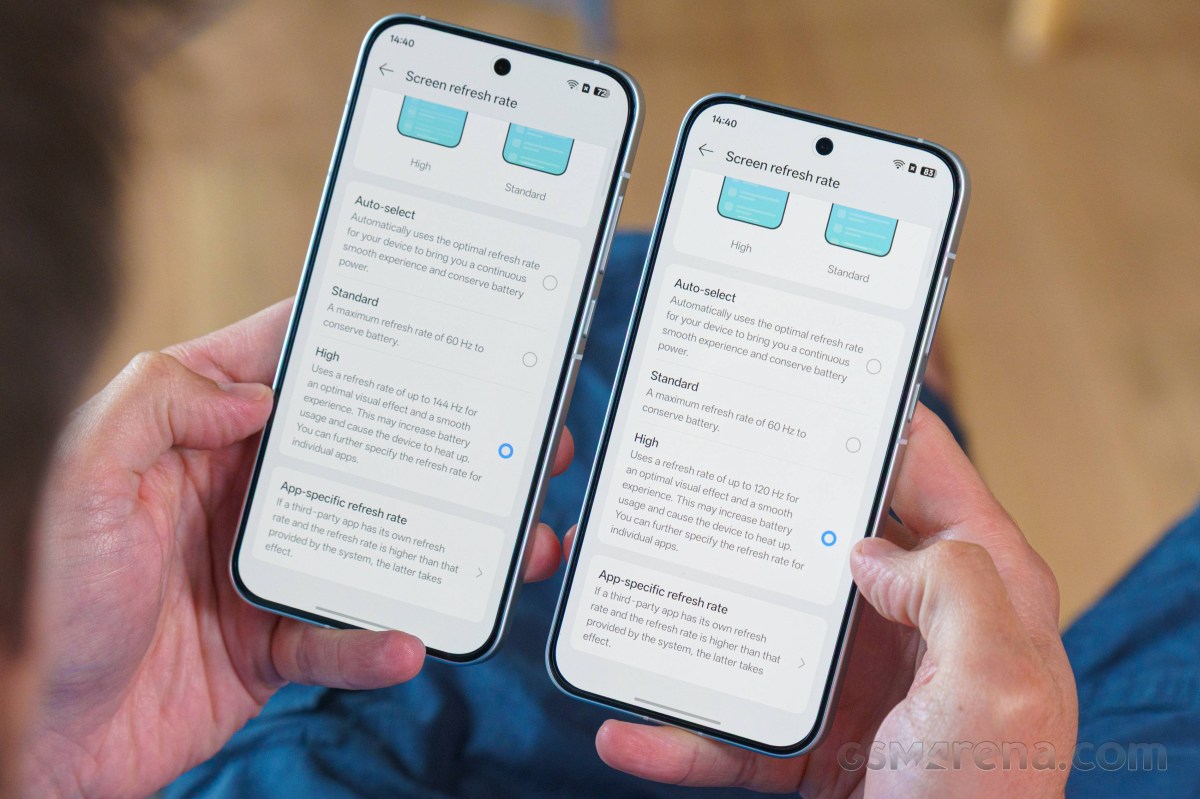
Unfortunately, 144Hz is available only in one game - Mobile Legends: Bang Bang. Nowhere else.
Battery life
The newer Reno carries a slightly bigger, single-cell, Si/C 6,700 mAh battery compared to its predecessor, with a 6,200 mAh unit. However, if you reside in Europe, you will actually get a smaller dual-cell battery design with 6,000 mAh capacity. We tested the international 6,700 mAh version.
Expectedly, the added capacity has bumped up the Active Use Score to 19:28h and all of the screen-on runtimes.
The handset is doing pretty well in the company of rivals as well. The device offers one of the longest battery lives in its class.
Charging speed
The max charging power rating is unchanged from the Reno15 Pro. The Reno16 Pro supports 80W SuperVOOC charging over a cable when paired with the appropriate Oppo charger. And given the similar setup, we were expecting similarly speedy charging times as well or even speedier, as larger batteries usually allow for more aggressive charging curves.
However, the Reno16 Pro surprised us with notably slower charging times at 15 and 30 minutes, as well as a full charge. And that's when we equate for battery capacity too - the rate of charge is just slower.
Compared to other phones in the same price bracket, the Reno16 is just about average in charging speed. It's no slouch, but it's far behind the best in the segment.
Charging speed
- in 15 min
- in 30 min
- Time to full charge (from 0%)
Xiaomi 17T Pro
Honor 600 Pro
Oppo Reno15 Pro (mini)
 Galaxy S26
 Pixel 10 Pro
Oppo Reno16 Pro
Pixel 10 Pro
Oppo Reno16 Pro
Bypass charging is available, which will come in handy if you are gaming and don't want to heat up your phone and cripple your performance.
Smart charging and charging limit are recommended options for those wanting to extend the lifespan of the battery.
Speakers
The Reno16 Pro features a set of hybrid stereo speakers, one that acts as an earpiece and one full-fledged speaker at the bottom. Naturally, the bottom one is slightly louder and offers fuller bass.
Even though the speakers haven't changed compared to the Reno15 Pro, there are some tweaks to the tuning and loudness. The newer Reno offers an extended loudness slider to 300%. However, the loudness score with the slider cranked up to 300% is roughly the same as before - "Very Good" -23.8 LUFS. For the record, without the loudness boost, the handset achieved -26.3 LUFS, which is still pretty solid.
But when assessing audio quality, we recorded the loudspeakers at 100% volume. We noticed that the bass is slightly less pronounced than before, but overall tuning is much better than some competitors like the Pixel 10 Pro, Xiaomi 17T Pro and Honor 600 Pro. The only device that seems to offer better sound quality, and by a large margin, is the Galaxy S26.
Use the Playback controls to listen to the phone sample recordings (best use headphones). We measure the average loudness of the speakers in LUFS. A lower absolute value means a louder sound. A look at the frequency response chart will tell you how far off the ideal "0db" flat line is the reproduction of the bass, treble, and mid frequencies. You can add more phones to compare how they differ. The scores and ratings are not comparable with our older loudspeaker test. Learn more about how we test here.
Software and performance
Still Android 16 and ColorOS 16
Since the Reno16 series and the Reno15 series came out about six months apart, it's no surprise that the newer generation runs on the same software. That means the 16 and 15 series are entitled to 5 years of major OS updates (not mentioning the exact number of updates, though) and 6 years of security patches. But both series start from ColorOS 16, which is based on Android 16.
We've covered the software already in our extensive Reno15 Pro review so make sure to check that one out.
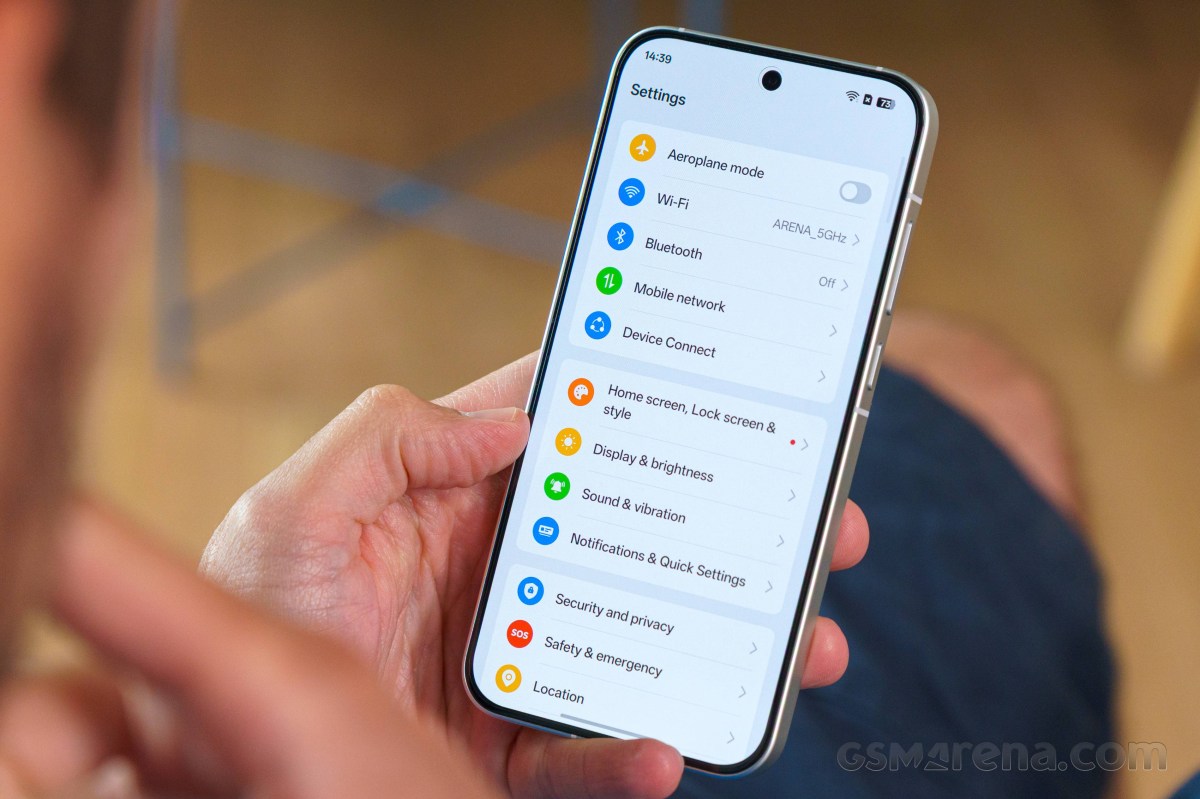
Interestingly, there are a few new features that debuted with the Find X9 Ultra, and you can find most of them on the Reno16 Pro as well. For example, the AI Mind Space functionality is under the AI Mind Space. It offers integration with Google's Gemini, Perplexity AI, and DeepSeek. You can ask them to do one, but a more complicated query, or simply use them to compare answers and perspectives. It's a convenient way to ask more than one AI chatbot to look for relevant information.
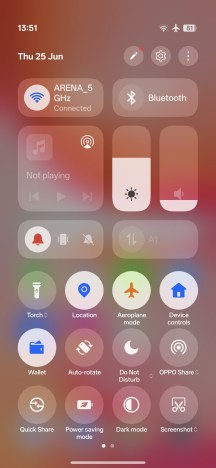
Home screen • Quick toggles • Recent apps
You also get the Snap Key from the X9 Ultra, which is also called the Plus Key on OnePlus phones. In the Reno16, Oppo adds "AI" in the beginning because that's what everyone does these days.
Settings menu
Anyway, the AI Snap Key is exactly what you'd expect from a hardware button on the side - it launches AI Mind Space by default, but you can remap it to your liking.
Benchmark performance
The Reno16 Pro gets a newer Dimensity 8550 chipset, which is almost identical to the Dimensity 8450 powering the Reno15 Pro. For all intents and purposes, they are the same chipset, at least performance-wise.

They share the same octa-core processor with 1x3.25 GHz Cortex-A725 & 3x3.0 GHz Cortex-A725 & 4x2.1 GHz Cortex-A725. The GPU is Mali-G720 MC7.
However, the Dimensity 8550 supports faster LPDDR5X memory up to 9600 Mbps and MediaTek's Gemini Nano V3. In theory, the newer chip should have an advantage over the older one in AI and GPU-related tasks. However, as you will see from the benchmarks below, there isn't much difference in practice.
GeekBench 6
- Single-core
- Multi-core
Xiaomi 17T Pro
Galaxy S26
Honor 600 Pro
Pixel 10 Pro XL
Oppo Reno15 Pro (mini)
Oppo Reno16 Pro
Oppo Reno16
AnTuTu
- v10
- v11
Xiaomi 17T Pro
Galaxy S26
Honor 600 Pro
Oppo Reno16 Pro
Oppo Reno15 Pro (mini)
Pixel 10 Pro XL
Oppo Reno16
3DMark
- Wild Life Extreme (Highest)
- Wild Life Extreme (Lowest)
Galaxy S26
Xiaomi 17T Pro
Honor 600 Pro
Oppo Reno16 Pro
Oppo Reno15 Pro (mini)
Pixel 10 Pro XL
Oppo Reno16
The Dimensity 8550 earns practically the same scores in benchmarks, aside from some slight variations in the dated AnTuTu 10 test and 3DMark Wild Life Extreme. And although quite solid in isolation, the performance is nothing to write home about in the current price bracket. There are some more powerful alternatives on the market if that's what you are looking for.
Sustained performance
The Reno15 Pro didn't do all that well in our sustained performance tests, and neither did the Reno16 Pro. In fact, this model performed slightly worse in the CPU stress test.
CPU and GPU stress tests
The GPU stress was unexpectedly bad in comparison to other phones running similar chipsets.
Camera - photo and video quality
Competent triple rear setup and outstanding selfies
Coming out just some six months later, the Oppo Reno16 Pro unsurprisingly doesn't change much in the camera hardware compared to the previous model. In fact, if it weren't for a blip in the specs of the telephoto camera's lens, it would be the exact same camera system.
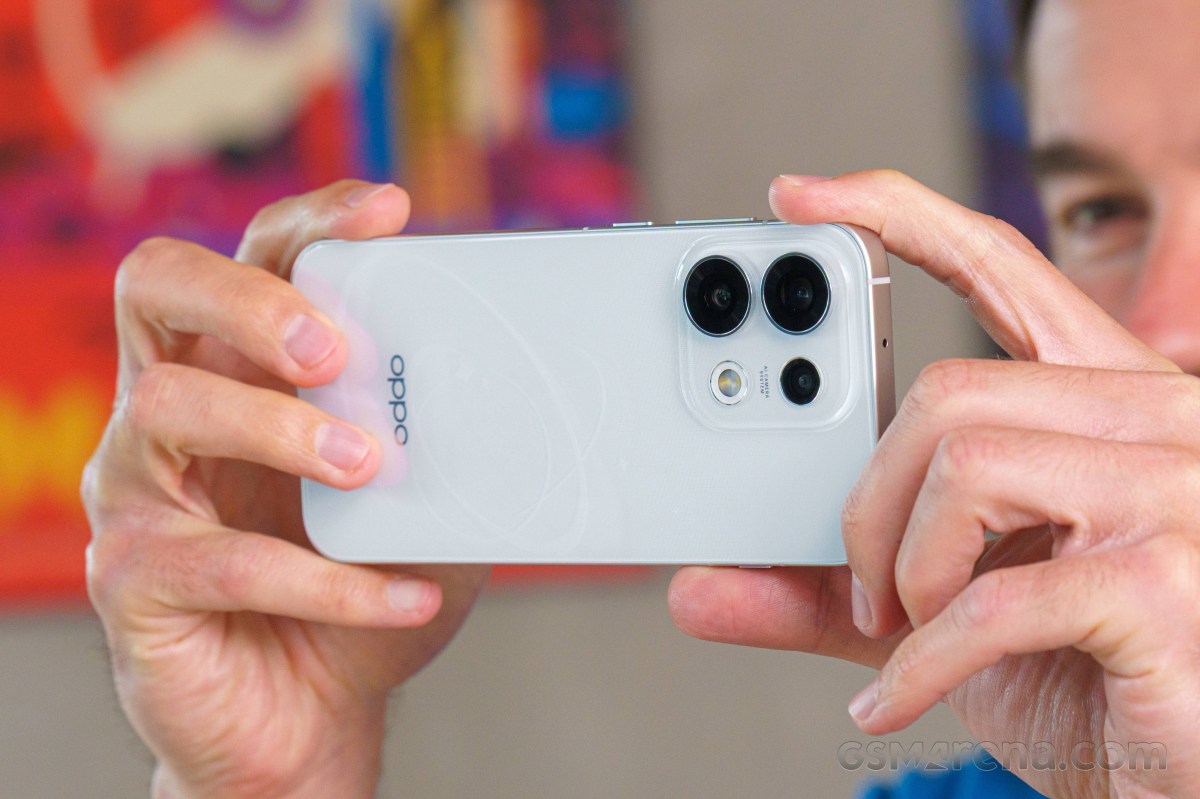
The main camera is based on the 200MP Samsung HP5 sensor, one of the more premium options for a midrange main camera. A 1/1.56" optical format imager, it's paired with the usual 24mm equivalent lens with an f/1.8 aperture that features OIS.
The telephoto camera offers 3.5x zoom and is now specified at 80mm, as opposed to the 85mm on the previous model, but the Reno16 Pro's full-res telephoto shots still read 85mm in their EXIF, and the actual focal length is also unchanged, so it's a safe bet that it's the same camera. Hardware apps report the same sensor too - the 50MP Samsung JN5 sensor. Sort of a major drawback of this camera is the relatively long minimum focusing distance of 37cm (which is somehow a little longer than the 32cm we measured on the Reno15 Pro), but you can't have it all.
As before, the ultrawide camera relies on a not-so-popular GalaxyCore 50MP 1/2.88" unit, which is paired with a 16mm lens with autofocus.
On the front of the phone, there's another JN5 sensor for selfies. Those will be some pretty ultrawide selfies too, the 18mm lens delivering plenty of coverage, or some drama if you're into it. It's got AF too.
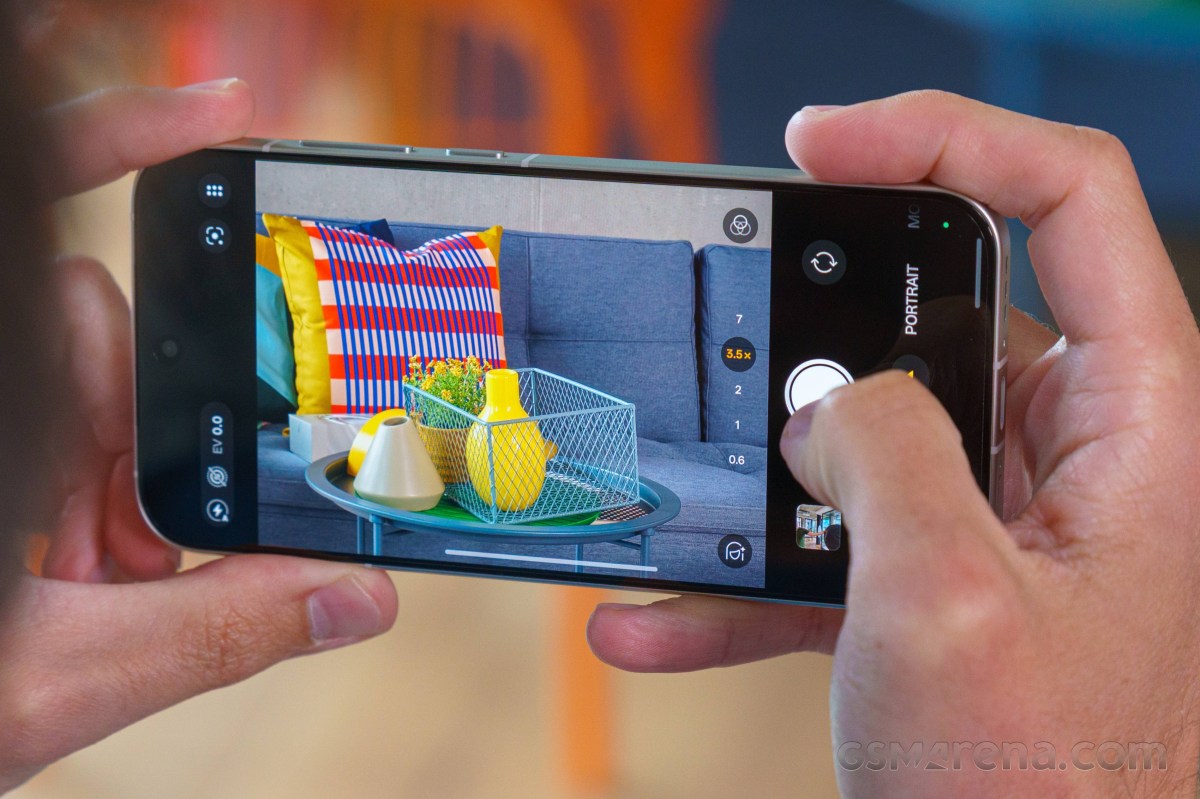
- Wide (main): 200MP Samsung ISOCELL HP5 (S5KHP5, 1/1.56", 0.5µm-2.0µm); 24mm, f/1.8, OIS, multi-directional PDAF; 4K60 video recording.
- Telephoto: 50MP Samsung ISOCELL JN5 (S5KJN5, 1/2.76", 0.64µm-1.28µm); 80mm, f/2.8, OIS, multi-directional PDAF; 4K60.
- Ultrawide: 50MP GalaxyCore GC50F6 (1/2.88", 0.61µm-1.22µm); 16mm, f/2.0, PDAF; 4K60.
- Front camera: 50MP Samsung ISOCELL JN5 (S5KJN5, 1/2.76", 0.64µm-1.28µm); 18mm, f/2.0, multi-directional PDAF; 4K60.
Daylight photo quality
Main camera
The camera hardware is the same, but there apparently have been tweaks in the processing and the Reno16 Pro was a lot more eager to actually shoot in what's the default High Resolution 26MP mode, on both its main camera and the telephoto. With that in mind, we adopted it as the default as well and only shot a few of the scenes in Standard 12MP mode. That said, some of the indoor scenes were still too dark for it to capture 26MP versions and we ended up with a few scenes where we don't quite have the full set of images in the selected resolution. That illuminates an inherent issue with the Standard/High resolution implementation from Oppo in that you don't have a clear indication of what image res you'll end up with.
Now, just because the phone is more eager to go for 26MP than before, doesn't necessarily mean it does it a lot better, and the detail quality in the 26MP images is more like so-so - you can spot sharpening halos around contrasting edges, and random greenery detail doesn't look as natural as we'd like. It's certainly not bad, it's just that it kind of defeats the purpose of having more pixels if you don't have a meaningful benefit compared to the lower resolution.
You do still get great dynamic range with well-developed tonal extremes, plus vibrant colors with no weird white balancing tendencies. Ultimately, they're very good images - we're probably asking too much.










Daylight samples, main camera (1x), High resolution (26MP)
To be fair, though, the Standard resolution shots also don't strike us as particularly well rendered on a pixel level - the fine detail is just not that fine.




Daylight samples, main camera (1x), Standard (12.5MP)
On the Reno15 Pro's main camera, we got 50MP in the right combination of mode and lighting (Hi-res mode and dim conditions), but the Reno16 Pro only gave us 200MP shots in Hi-res mode. As before, we're not entirely getting the point of those.




Daylight samples, main camera (1x), 200MP
When shooting in High resolution in Photo mode and you're above the light thresholds, you will get 26MP files when taking photos of people, while Portrait mode will process these down to 12.5MP regardless of light. Either way, you can expect pleasing skin tones and good facial detail.








Human subjects, main camera (1x): Photo mode • Portrait mode
The 2x zoom shots are okay - they're not the sharpest you can get from a 200MP main camera, but then neither were the 1x ones to begin with, and the quality is still easily good enough.








Daylight samples, main camera (2x)
A bit of softness doesn't hurt in headshots, and you get good-looking photos of people at 2x, whether in Photo mode or Portrait mode.








Human subjects, main camera (2x): Photo mode • Portrait mode
Telephoto camera
The Reno16 Pro's telephoto camera can also take 26MP High resolution mode shots - it does so by default - and it too isn't rendering random detail in the most natural of ways. Still, the photos are looking pretty great overall, having a wide dynamic range and easily likable vivid colors. As before, it's got a relatively long minimum focusing distance, and it doesn't perform particularly well there either, but more on than in a bit.








Daylight samples, telephoto camera (3.5x), 26MP
The plain 12.5MP photos at 3.5x are in a way, better looking on a pixel level.




Daylight samples, telephoto camera (3.5x), 12.5MP
As for the 3.5x 50MP mode, there are no surprises - there's little to like here.




Daylight samples, telephoto camera (3.5x), 50MP
Telephoto portraits are pretty great though, the focal length being best suited to relatively tightly framed headshots with pleasing compression. Again, Portrait mode shots come out in Standard resolution, while the Photo mode versions can be in High resolution (if that's what you've chosen in settings and there's enough light).








Human subjects, main camera (3.5x): Photo mode • Portrait mode
At 7x zoom, you can also expect alright results, if not quite pin-sharp. There's a particular tendency to get pretty soft detail in the highlights, and in dim conditions, quality does drop, but overall, there are pretty usable images.








Daylight samples, telephoto camera (7x)
Ultrawide camera
The ultrawide doesn't have a 26MP mode - that is to say, we didn't get 26MP files from it when the phone was set to High resolution photos even in ideal conditions. The 12.5MP ones, on the other hand, are quite excellent. They have great detail for an ultrawide camera, the dynamic range is nice and wide and colors are on point.










Daylight samples, ultrawide camera (0.6x)
There is still a 50MP mode and it's predictably unexciting.




Daylight samples, ultrawide camera (0.6x), 50MP
Close-ups
The telephoto camera with its 30+ centimeter minimum focusing distance isn't too close-up friendly, but the 7x zoom level almost makes the reproduction usable. It's just that the quality isn't particularly exciting. We'd argue that your best for the optimal balance of quality, reproduction, and subject distance is the 2x zoom level from the main camera.




Close-up samples, telephoto camera (3x)




Close-up samples, telephoto camera (7.5x)
Close-up samples, main camera (2x)
Low-light photo quality
Main camera
Low-light photos from the phone's main camera are good to very good. Detail is alright - it's not the sharpest, and even in well-lit scenes, there's a bit of softness. Exposures and dynamic range are excellent, there's nothing to complain there. It would be tough to tell what color the balls in the seventh sample are, but other than that, the auto white balance does well, and colors have a pleasing level of saturation.








Low-light samples, main camera (1x)
Detail quality drops significantly at 2x zoom, and you'd be getting images that are both soft and very heavily sharpened.







Low-light samples, main camera (2x)
Telephoto camera
The telephoto camera captures decent low-light photos, but they have their imperfection when viewed from up close, and they're not exactly perfect on a global scale either. Sharpness and detail are just about average, and there's a tendency for loss of saturation, though dynamic range is generally very good and white balance is mostly on point.








Low-light samples, telephoto camera (3.5x)
If you keep your expectations within reason, the 7x zoom shots could still be called usable. They're just about good enough for casual social sharing, where they'd get downscaled either way, but any pixel-level examination will quickly reveal their softness.




Low-light samples, telephoto camera (7x)
Ultrawide camera
The ultrawide's low-light photos are good for the class, without standing out. There's pretty liberal sharpening in darker scenes, but detail is generally good in this context. Dynamic range is great, colors are on point more often than not.








Low-light samples, ultrawide camera (0.6x)
Selfies
The Reno16 Pro inherits the previous generation's relatively unusual selfie camera, and the 18mm autofocusing lens with a good 50MP sensor behind it brings a lot of versatility and some actually great results. The native focal length photos are nicely sharp, the colors are vibrant, the dynamic range is wide, and the low-light performance is pretty solid too. The wide-angle lens is also great for wonky angles or fitting more people in the frame.








Selfie samples, 0.6x (native)
Zooming in to... 1x, does mean a bit of a sharpness loss, but things are still looking pretty great. 2x is pushing it, but it's still within what we'd call good.




Selfie samples, 1x



Selfie samples, 2x
Photo quality verdict
Little has changed since the previous model, and the Reno16 Pro delivers a balanced stills performance. You can expect generally very good results from all three rear cameras in daylight, with detail quality a notch behind what we'd like, but all else is pretty much great. Low-light performance is also without dealbreakers, but the detail is also leaving us a bit unimpressed. The selfie camera remains a major selling point thanks to its unusually wide lens and great photo quality.
Video quality
When it comes to video recording, the Reno16 Pro covers a lot of bases, but it also stops short in a few ways. On a positive note, it can capture video at up to 4K60 on all of its cameras, including the front-facing one, but there's no 24fps mode to be found anywhere for the cinematically inclined. There's a Pro video mode that's almost more basic than the regular video mode - it does offer some exposure controls and a miniature histogram, but not much else, and it locks you into 1080p30.
As usual, you can choose between the h.264 and h.265 (HEVC) codecs and the latter is the default one. You can also record in HDR in all of the quality settings. There's an Ultra Steady stabilization mode that's off by default, but there's some level of stabilization that's always on even if you keep that toggle switched off.
You can hit '> play' below and use the '>| next' button to advance through the playlist of all video samples, or you can watch the full playlist on YouTube.
The Reno16 Pro's video output looks great from afar, with all three rear cameras capturing easily likable clips with wide dynamic range, plenty of contrast, and colors that are just as lively as they should be. The three cameras are also quite well matched in their global video properties.
We'd say there's at least a minor improvement in sharpness over what we saw on the Reno15 Pro - the winter weather wasn't doing the old model any favors, but it's not just that. The ultrawide clips are now noticeably sharper - we'd go ahead and call them very good. The main camera was good on the old model, and it's now probably a fraction better, and that applies to the telephoto as well. The 2x and 7x zoom levels are just about usable in a pinch.



Video screengrabs, daylight: 0.6x • 1x • 2x • 3.5x • 7x
In low light, the main camera maintains a pretty high standard, offering great detail, wide dynamic range, and accurate colors. The telephoto also does admirably, capturing sharp footage with wide dynamic range and great colors. The ultrawide can't quite keep up with the other two, its shadows in particular being too soft and noisy, but it's still usable stuff all things considered. The non-native zoom levels aren't easy to like, though, but that's okay - proper high-end phones struggle there, so you shouldn't expect the Reno16 Pro to excel at it.





Video screengrabs, low light: 0.6x • 1x • 2x • 3.5x • 7x
The Reno16 Pro is properly great at stabilization. Shooting from a stationary position, you can expect near tripod-level stability from your clips from all three cameras, with only the slightest of hiccups when panning. Walking shake is canceled out well too, and there is no jello effect weirdness either.
Video quality verdict
The Reno16 Pro can record at up to 4K60 on all its cameras with HDR support too, and it's only the limited Pro video mode that rubs us the wrong way. Video quality is very good from all three cameras in daylight, and the main and telephoto carry that into the night as well, where the ultrawide is a bit less convincing. No frills, but solid performance altogether.
Alternatives, pros and cons, verdict
Competition
While an excellent phone, the Oppo Reno16 Pro's price hike won't go unnoticed, especially in regions like Europe, where the handset is asking roughly €300 more than its predecessor. The 12GB/512GB version, which is the only one available in Europe, has an eye-watering price tag of €1,099. An early bird promotion until the end of July brings it down to €800-900, depending on the market within Europe. But what happens after that?
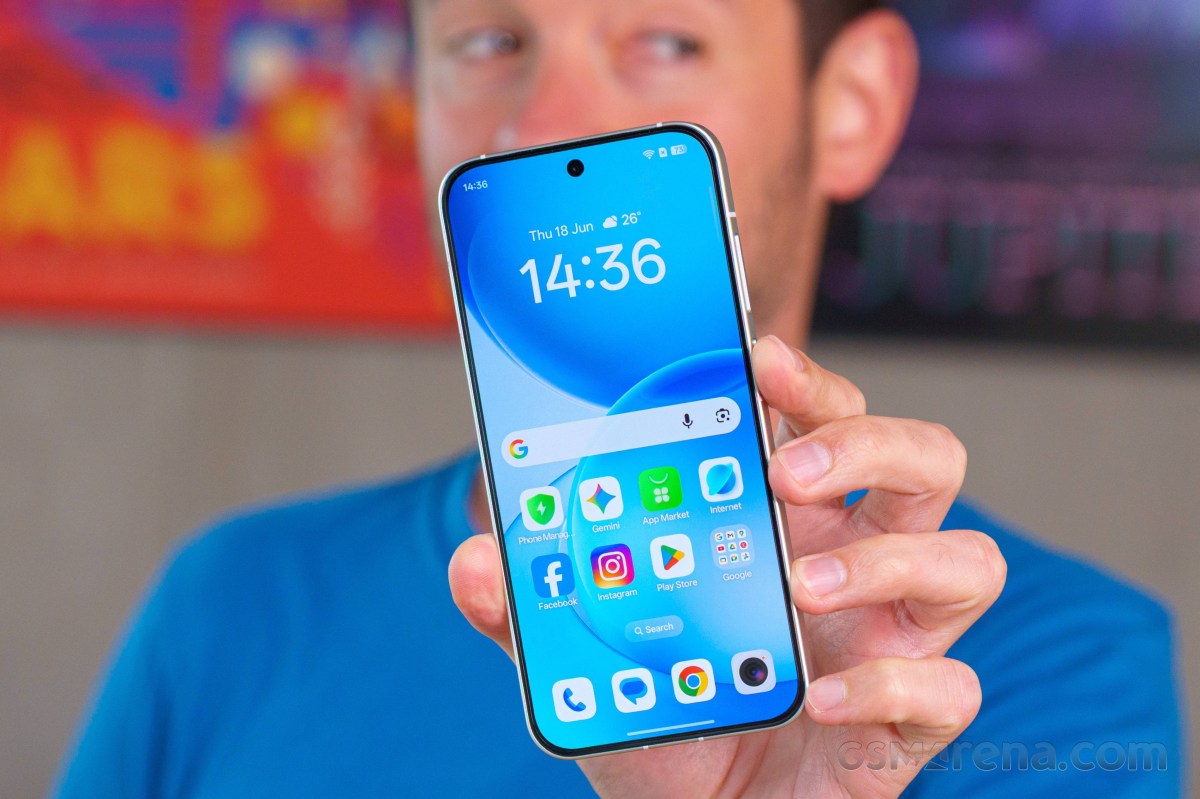
Well, at €1,099, it will be hard for the Reno16 Pro to compete with true flagship phones. In fact, the more premium Oppo Find X9 Pro is about the same price.
Looking ahead, we doubt the phone will remain above the €1,000 mark for long. We expect it to go against devices ranging between €600 and €900. And given that there aren't many compact phones like the Reno16 Pro to begin with, our search for potential competitors narrows it down to only a few. And that's what Oppo was probably betting on - the premium and compact feel.
Samsung Galaxy S26 • Google Pixel 10 Pro
The Samsung Galaxy S26 and the Pixel 10 Pro are two of the few direct competitors to the Reno16 Pro. Interestingly enough, the Reno maintains pace when it comes to camera experience, display and build quality. It also outperforms both in our battery endurance tests quite convincingly, but fails to beat the Galaxy S26 in the charging category.
Also, keep in mind that the Reno16 Pro doesn't offer that flagship-level performance and long software support.
Europeans are likely better off getting the Reno15 Pro before it disappears from the shelves. It's currently about €200 cheaper, even after factoring in the Reno16 Pro's early bird pricing, and it has a slightly bigger battery in Europe. Weird, right?
Honor 600 Pro • Xiaomi 17T Pro • Oppo Reno15 Pro
The European Reno16 Pro will only give you a marginally better chipset and an additional hardware key. It doesn't seem like the extra few hundred bucks are worth it.
In case you are not strictly looking for a very compact smartphone, then also consider the Xiaomi 17T Pro and the Honor 600 Pro, which are still pocketable but both offer a more premium camera experience and true flagship chipsets. They are in the same price bracket as the discounted Reno16 Pro, too.
Verdict
Sure, the Oppo Reno16 Pro feels like a premium phone and offers a bunch of premium features, too. It checks almost all boxes, especially for compact smartphone fans. It has an impeccable build, impressive battery endurance for the size, a complete and potent camera hardware and a solid display. The handset also adds a useful remappable hardware key.
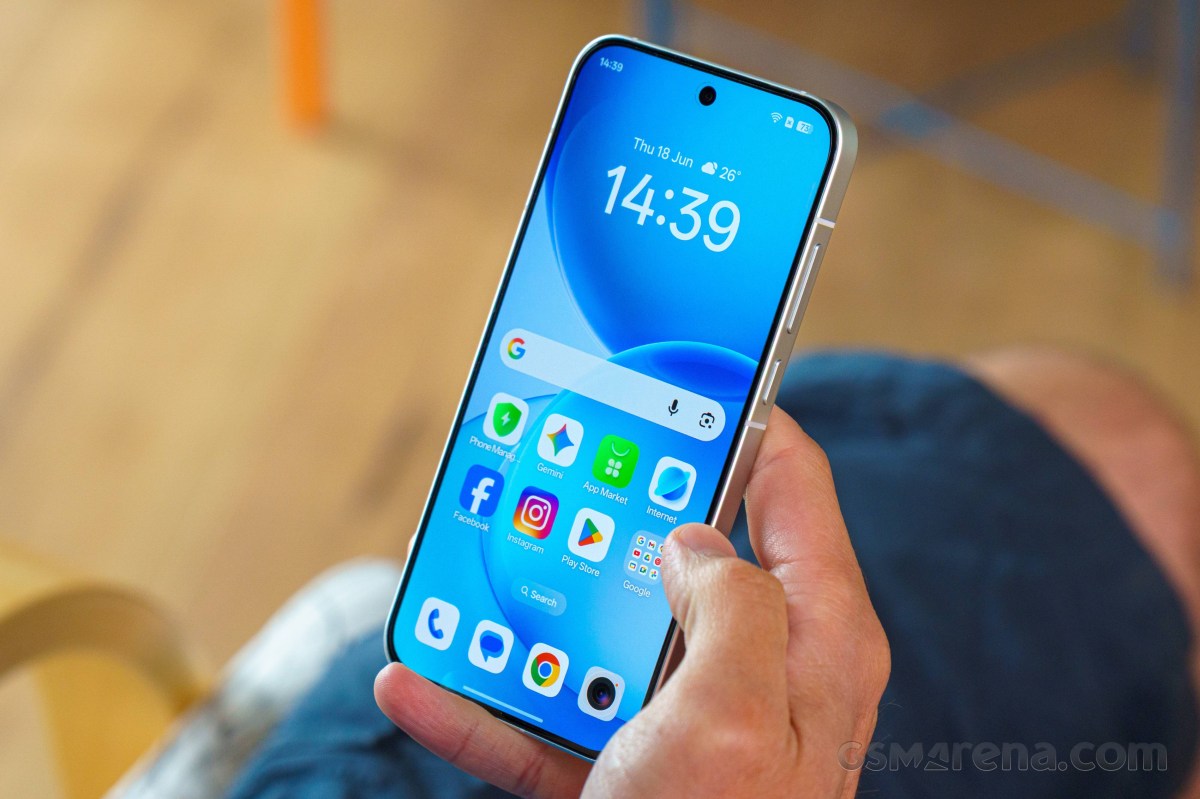
However, the price increase, along with the downgraded battery for the European consumers, makes the Reno16 Pro a hard sell. Not to mention the chipset doesn't hold up that well in this price bracket, and the fast charging on the 6,700 mAh model isn't as competitive as it used to be. When you take into account all of the above, the older Reno15 Pro starts to make a whole lot more sense at a considerably lower price point.
Pros
- Impeccable build, compact dimensions, IP66/IP68/IP69/IP69K certifications.
- Bright OLED screen, HDR10+.
- Impressive battery life (as reviewed with 6,700 mAh).
- Flagship-grade photos and videos from all four cameras, AF on the ultrawide too.
- Convenient new hardware button, objectively useful AI features.
Cons
- Throttles heavily under heavy load.
- We've seen more powerful chipsets at the same price.
- The European model gets a smaller battery than before.
- Charging speed has been effectively downgraded (as reviewed with 6,700 mAh).
- Too expensive at launch.
Introduction and unboxing
Introduction and specs
It's time for the bi-annual Oppo Reno refresh, and this June, we are getting the Reno16 and Reno16 Pro, along with the Reno16 F and Reno16 FS. The subject of this review, however, is the Pro model, which sits on top of the lineup and offers a minor refresh over its predecessor. So don't expect a generational upgrade.
Anyway, the Reno16 Pro feels more refined in a way, primarily feature-wise. For instance, the new Reno16 Pro features an additional hardware button called AI Snap Key, which can be remapped to your liking. It also adds a handful of new AI features and new camera functionalities that were not present in the Reno15 series.
The smartphone also gets a new chipset, while the display's refresh rate is bumped up to 144Hz and the battery gains a few hundred milliamps. Then again, if you are situated in Europe, the Reno16 Pro's battery capacity is actually lower than the Reno15 Pro's - 6,000 mAh, down from 6,200 mAh.
Oppo Reno16 Pro specs at a glance:
- Body: 151.2x72.4x8.2mm, 188g; Glass front, aluminum frame, glass back or composite plastic back; IP68/IP69K dust-tight and water-resistant (high-pressure water jets; immersible up to 1.5m for 30 min).
- Display: 6.32" AMOLED, 1B colors, 144Hz, 3840Hz PWM, HDR10+, 600 nits (typ), 1800 nits (HBM), 3600 nits (peak), 1216x2640px resolution, 19.54:9 aspect ratio, 460ppi.
- Chipset: Mediatek Dimensity 8550 Super (4 nm).
- Memory: 256GB 12GB RAM, 512GB 12GB RAM; UFS 3.1.
- OS/Software: Android 16, ColorOS 16.
- Rear camera: Wide (main): 200 MP, f/1.8, 24mm, 1/1.56", 0.5µm, PDAF, OIS; Telephoto: 50 MP, f/2.8, 80mm, 1/2.75", 0.64µm, PDAF, OIS, 3.5x optical zoom; Ultra wide angle: 50 MP, f/2.0, 16mm, 116˚, 1/2.88", 0.61µm, AF.
- Front camera: 50 MP, f/2.0, 18mm, 100˚ (ultrawide), 1/2.75", 0.64µm, AF.
- Video capture: Rear camera: 4K@30/60fps, 1080p@30/60/120/240/480fps, 720p@960fps, gyro-EIS, HDR, OIS; Front camera: 4K@30/60fps, 1080p@30/60fps, gyro-EIS, HDR.
- Battery: 6700mAh (6,000 mAh in Europe); 80W wired, 44/80W UFCS, 55W PPS, 13.5W PD, 100% in 57 min, Reverse wired.
- Connectivity: 5G; eSIM; Wi-Fi 6; BT 5.4, aptX HD, LHDC 5; NFC; Infrared port.
- Misc: Fingerprint reader (under display, optical); stereo speakers.
But what about the regular Reno16? What does the Pro have that the non-Pro doesn't? Again, it's the higher refresh rate at 144Hz instead of 120Hz, it's the better main 200MP camera, it's the more powerful SoC, and it's the bigger battery (in some markets).
Still, the minor bumps in the specs, along with the iPhone-level build quality and feel, make the Reno16 Pro seem like a decent refresh for the second half of 2026. What's usually holding the Reno series back at launch is the hefty initial price. Let's see if it's justified this time around.
Unboxing the Oppo Reno16 Pro
We received the global version of the Oppo Reno16 Pro, so the retail package contained not only the user manuals and the USB-A to USB-C cable, but also the appropriate 80W SuperVOOC charger. The European box, for example, skips the charger, so you will have to buy one separately.
The device also comes with a transparent silicone case so you don't conceal the cool design.
Design, build, handling
Design and build
The Reno16 Pro's design is largely similar to the Reno15 Pro's, with just a small tweak in the camera arrangement on the back. But that iPhone-esque feel remains. Not just visually, but also in person. Oppo nailed it with the Reno15 and 16 series when it comes to build quality and craftsmanship.
Oppo Reno16 Pro vs. Reno16
The Reno16 Pro uses Gorilla Glass 7i protection on the front and aerospace aluminum frame, while the back is unspecified glass.
In addition to the small diagonal and thin profile, the Reno16 Pro is a pleasure to hold and use.
The handset also boasts four ingress protection certificates - IP66, IP68, IP69 and IP69K. Quite the reassuring collection.
This time around, the Reno16 Pro comes in two colors - Starlight Black and Pop White. Oppo is pretty proud of the Pop White paint job that we have here in the office, and it's because of that 3D pop effect of the planet. When you move the phone around under the light, it shifts and casts a shadow.
Going around the sides, you will find the volume rocker and power button on the right and the AI Snap Key on the left. The bottom is home to the SIM card tray that can take up to two cards. eSIM support is available, but only two SIM cards can be active simultaneously.
Oppo Reno16 Pro
The optical fingerprint reader performed well during our testing. We only wished it were placed a little higher. It's a bit too close to the bottom edge and feels awkward to use.
As per tradition, one of the Reno series' strongest suits is design, and the last two generations feel more refined than ever.
Lab tests - display, battery life, charging, speakers
Overclocked 6.32-inch display
On paper, the 6.32-inch OLED display here is nearly identical to the one on the Reno15 Pro. They share the same 1216 x 2640px resolution, 10-bit color depth and HDR10+. The only difference is that the newer screen reaches 144Hz in certain scenarios, but more on that later.
Brightness-wise, the display should be like the previous one, but we got significantly lower results. It may be an issue with our review unit. See the Reno16, for instance, which features the same display and scores higher on max brightness.
Oppo Reno16 Pro
The auto brightness was typical for an Oppo phone, though. We got higher brightness levels in the default Gallery app compared to the browser. Rest assured, the retail units are bright enough for an excellent outdoor visibility and HDR experience.
Max display brightness test
White test pattern (nits)
- Manual (75% fill)
- Auto (75% fill)
- Peak Auto (10% fill)
Pixel 10 Pro
Oppo Reno15 Pro (mini) gallery
Oppo Reno16 (Gallery)
Honor 600 Pro
Oppo Reno16 Pro
Oppo Reno16
Xiaomi 17T Pro
The minimum brightness is 1.9 nits, which is dim enough for a pitch-black room.
Refresh rate
The refresh rate modes are as usual - Auto, Standard and High. Auto and High behave the same way - 60Hz for idle screen and video playback, 90Hz for web browser and system apps, 60Hz for Netflix, YouTube, Camera, and more, 120Hz for UI, games, and benchmarks. However, in Chrome, for example, you get only 90Hz unless you force it through the High setting, as it offers per-app refresh rate adjustments.
Unfortunately, 144Hz is available only in one game - Mobile Legends: Bang Bang. Nowhere else.
Battery life
The newer Reno carries a slightly bigger, single-cell, Si/C 6,700 mAh battery compared to its predecessor, with a 6,200 mAh unit. However, if you reside in Europe, you will actually get a smaller dual-cell battery design with 6,000 mAh capacity. We tested the international 6,700 mAh version.
Expectedly, the added capacity has bumped up the Active Use Score to 19:28h and all of the screen-on runtimes.
The handset is doing pretty well in the company of rivals as well. The device offers one of the longest battery lives in its class.
Charging speed
The max charging power rating is unchanged from the Reno15 Pro. The Reno16 Pro supports 80W SuperVOOC charging over a cable when paired with the appropriate Oppo charger. And given the similar setup, we were expecting similarly speedy charging times as well or even speedier, as larger batteries usually allow for more aggressive charging curves.
However, the Reno16 Pro surprised us with notably slower charging times at 15 and 30 minutes, as well as a full charge. And that's when we equate for battery capacity too - the rate of charge is just slower.
Compared to other phones in the same price bracket, the Reno16 is just about average in charging speed. It's no slouch, but it's far behind the best in the segment.
Charging speed
- in 15 min
- in 30 min
- Time to full charge (from 0%)
Xiaomi 17T Pro
Honor 600 Pro
Oppo Reno15 Pro (mini)
Galaxy S26
Pixel 10 Pro
Oppo Reno16 Pro
Bypass charging is available, which will come in handy if you are gaming and don't want to heat up your phone and cripple your performance.
Smart charging and charging limit are recommended options for those wanting to extend the lifespan of the battery.
Speakers
The Reno16 Pro features a set of hybrid stereo speakers, one that acts as an earpiece and one full-fledged speaker at the bottom. Naturally, the bottom one is slightly louder and offers fuller bass.
Even though the speakers haven't changed compared to the Reno15 Pro, there are some tweaks to the tuning and loudness. The newer Reno offers an extended loudness slider to 300%. However, the loudness score with the slider cranked up to 300% is roughly the same as before - "Very Good" -23.8 LUFS. For the record, without the loudness boost, the handset achieved -26.3 LUFS, which is still pretty solid.
But when assessing audio quality, we recorded the loudspeakers at 100% volume. We noticed that the bass is slightly less pronounced than before, but overall tuning is much better than some competitors like the Pixel 10 Pro, Xiaomi 17T Pro and Honor 600 Pro. The only device that seems to offer better sound quality, and by a large margin, is the Galaxy S26.
Use the Playback controls to listen to the phone sample recordings (best use headphones). We measure the average loudness of the speakers in LUFS. A lower absolute value means a louder sound. A look at the frequency response chart will tell you how far off the ideal "0db" flat line is the reproduction of the bass, treble, and mid frequencies. You can add more phones to compare how they differ. The scores and ratings are not comparable with our older loudspeaker test. Learn more about how we test here.
Software and performance
Still Android 16 and ColorOS 16
Since the Reno16 series and the Reno15 series came out about six months apart, it's no surprise that the newer generation runs on the same software. That means the 16 and 15 series are entitled to 5 years of major OS updates (not mentioning the exact number of updates, though) and 6 years of security patches. But both series start from ColorOS 16, which is based on Android 16.
We've covered the software already in our extensive Reno15 Pro review so make sure to check that one out.
Interestingly, there are a few new features that debuted with the Find X9 Ultra, and you can find most of them on the Reno16 Pro as well. For example, the AI Mind Space functionality is under the AI Mind Space. It offers integration with Google's Gemini, Perplexity AI, and DeepSeek. You can ask them to do one, but a more complicated query, or simply use them to compare answers and perspectives. It's a convenient way to ask more than one AI chatbot to look for relevant information.
Home screen • Quick toggles • Recent apps
You also get the Snap Key from the X9 Ultra, which is also called the Plus Key on OnePlus phones. In the Reno16, Oppo adds "AI" in the beginning because that's what everyone does these days.
Settings menu
Anyway, the AI Snap Key is exactly what you'd expect from a hardware button on the side - it launches AI Mind Space by default, but you can remap it to your liking.
Benchmark performance
The Reno16 Pro gets a newer Dimensity 8550 chipset, which is almost identical to the Dimensity 8450 powering the Reno15 Pro. For all intents and purposes, they are the same chipset, at least performance-wise.
They share the same octa-core processor with 1x3.25 GHz Cortex-A725 & 3x3.0 GHz Cortex-A725 & 4x2.1 GHz Cortex-A725. The GPU is Mali-G720 MC7.
However, the Dimensity 8550 supports faster LPDDR5X memory up to 9600 Mbps and MediaTek's Gemini Nano V3. In theory, the newer chip should have an advantage over the older one in AI and GPU-related tasks. However, as you will see from the benchmarks below, there isn't much difference in practice.
GeekBench 6
- Single-core
- Multi-core
Xiaomi 17T Pro
Galaxy S26
Honor 600 Pro
Pixel 10 Pro XL
Oppo Reno15 Pro (mini)
Oppo Reno16 Pro
Oppo Reno16
AnTuTu
- v10
- v11
Xiaomi 17T Pro
Galaxy S26
Honor 600 Pro
Oppo Reno16 Pro
Oppo Reno15 Pro (mini)
Pixel 10 Pro XL
Oppo Reno16
3DMark
- Wild Life Extreme (Highest)
- Wild Life Extreme (Lowest)
Galaxy S26
Xiaomi 17T Pro
Honor 600 Pro
Oppo Reno16 Pro
Oppo Reno15 Pro (mini)
Pixel 10 Pro XL
Oppo Reno16
The Dimensity 8550 earns practically the same scores in benchmarks, aside from some slight variations in the dated AnTuTu 10 test and 3DMark Wild Life Extreme. And although quite solid in isolation, the performance is nothing to write home about in the current price bracket. There are some more powerful alternatives on the market if that's what you are looking for.
Sustained performance
The Reno15 Pro didn't do all that well in our sustained performance tests, and neither did the Reno16 Pro. In fact, this model performed slightly worse in the CPU stress test.
CPU and GPU stress tests
The GPU stress was unexpectedly bad in comparison to other phones running similar chipsets.
Camera - photo and video quality
Competent triple rear setup and outstanding selfies
Coming out just some six months later, the Oppo Reno16 Pro unsurprisingly doesn't change much in the camera hardware compared to the previous model. In fact, if it weren't for a blip in the specs of the telephoto camera's lens, it would be the exact same camera system.
The main camera is based on the 200MP Samsung HP5 sensor, one of the more premium options for a midrange main camera. A 1/1.56" optical format imager, it's paired with the usual 24mm equivalent lens with an f/1.8 aperture that features OIS.
The telephoto camera offers 3.5x zoom and is now specified at 80mm, as opposed to the 85mm on the previous model, but the Reno16 Pro's full-res telephoto shots still read 85mm in their EXIF, and the actual focal length is also unchanged, so it's a safe bet that it's the same camera. Hardware apps report the same sensor too - the 50MP Samsung JN5 sensor. Sort of a major drawback of this camera is the relatively long minimum focusing distance of 37cm (which is somehow a little longer than the 32cm we measured on the Reno15 Pro), but you can't have it all.
As before, the ultrawide camera relies on a not-so-popular GalaxyCore 50MP 1/2.88" unit, which is paired with a 16mm lens with autofocus.
On the front of the phone, there's another JN5 sensor for selfies. Those will be some pretty ultrawide selfies too, the 18mm lens delivering plenty of coverage, or some drama if you're into it. It's got AF too.
- Wide (main): 200MP Samsung ISOCELL HP5 (S5KHP5, 1/1.56", 0.5µm-2.0µm); 24mm, f/1.8, OIS, multi-directional PDAF; 4K60 video recording.
- Telephoto: 50MP Samsung ISOCELL JN5 (S5KJN5, 1/2.76", 0.64µm-1.28µm); 80mm, f/2.8, OIS, multi-directional PDAF; 4K60.
- Ultrawide: 50MP GalaxyCore GC50F6 (1/2.88", 0.61µm-1.22µm); 16mm, f/2.0, PDAF; 4K60.
- Front camera: 50MP Samsung ISOCELL JN5 (S5KJN5, 1/2.76", 0.64µm-1.28µm); 18mm, f/2.0, multi-directional PDAF; 4K60.
Daylight photo quality
Main camera
The camera hardware is the same, but there apparently have been tweaks in the processing and the Reno16 Pro was a lot more eager to actually shoot in what's the default High Resolution 26MP mode, on both its main camera and the telephoto. With that in mind, we adopted it as the default as well and only shot a few of the scenes in Standard 12MP mode. That said, some of the indoor scenes were still too dark for it to capture 26MP versions and we ended up with a few scenes where we don't quite have the full set of images in the selected resolution. That illuminates an inherent issue with the Standard/High resolution implementation from Oppo in that you don't have a clear indication of what image res you'll end up with.
Now, just because the phone is more eager to go for 26MP than before, doesn't necessarily mean it does it a lot better, and the detail quality in the 26MP images is more like so-so - you can spot sharpening halos around contrasting edges, and random greenery detail doesn't look as natural as we'd like. It's certainly not bad, it's just that it kind of defeats the purpose of having more pixels if you don't have a meaningful benefit compared to the lower resolution.
You do still get great dynamic range with well-developed tonal extremes, plus vibrant colors with no weird white balancing tendencies. Ultimately, they're very good images - we're probably asking too much.
Daylight samples, main camera (1x), High resolution (26MP)
To be fair, though, the Standard resolution shots also don't strike us as particularly well rendered on a pixel level - the fine detail is just not that fine.
Daylight samples, main camera (1x), Standard (12.5MP)
On the Reno15 Pro's main camera, we got 50MP in the right combination of mode and lighting (Hi-res mode and dim conditions), but the Reno16 Pro only gave us 200MP shots in Hi-res mode. As before, we're not entirely getting the point of those.
Daylight samples, main camera (1x), 200MP
When shooting in High resolution in Photo mode and you're above the light thresholds, you will get 26MP files when taking photos of people, while Portrait mode will process these down to 12.5MP regardless of light. Either way, you can expect pleasing skin tones and good facial detail.
Human subjects, main camera (1x): Photo mode • Portrait mode
The 2x zoom shots are okay - they're not the sharpest you can get from a 200MP main camera, but then neither were the 1x ones to begin with, and the quality is still easily good enough.
Daylight samples, main camera (2x)
A bit of softness doesn't hurt in headshots, and you get good-looking photos of people at 2x, whether in Photo mode or Portrait mode.
Human subjects, main camera (2x): Photo mode • Portrait mode
Telephoto camera
The Reno16 Pro's telephoto camera can also take 26MP High resolution mode shots - it does so by default - and it too isn't rendering random detail in the most natural of ways. Still, the photos are looking pretty great overall, having a wide dynamic range and easily likable vivid colors. As before, it's got a relatively long minimum focusing distance, and it doesn't perform particularly well there either, but more on than in a bit.
Daylight samples, telephoto camera (3.5x), 26MP
The plain 12.5MP photos at 3.5x are in a way, better looking on a pixel level.
Daylight samples, telephoto camera (3.5x), 12.5MP
As for the 3.5x 50MP mode, there are no surprises - there's little to like here.
Daylight samples, telephoto camera (3.5x), 50MP
Telephoto portraits are pretty great though, the focal length being best suited to relatively tightly framed headshots with pleasing compression. Again, Portrait mode shots come out in Standard resolution, while the Photo mode versions can be in High resolution (if that's what you've chosen in settings and there's enough light).
Human subjects, main camera (3.5x): Photo mode • Portrait mode
At 7x zoom, you can also expect alright results, if not quite pin-sharp. There's a particular tendency to get pretty soft detail in the highlights, and in dim conditions, quality does drop, but overall, there are pretty usable images.
Daylight samples, telephoto camera (7x)
Ultrawide camera
The ultrawide doesn't have a 26MP mode - that is to say, we didn't get 26MP files from it when the phone was set to High resolution photos even in ideal conditions. The 12.5MP ones, on the other hand, are quite excellent. They have great detail for an ultrawide camera, the dynamic range is nice and wide and colors are on point.
Daylight samples, ultrawide camera (0.6x)
There is still a 50MP mode and it's predictably unexciting.
Daylight samples, ultrawide camera (0.6x), 50MP
Close-ups
The telephoto camera with its 30+ centimeter minimum focusing distance isn't too close-up friendly, but the 7x zoom level almost makes the reproduction usable. It's just that the quality isn't particularly exciting. We'd argue that your best for the optimal balance of quality, reproduction, and subject distance is the 2x zoom level from the main camera.
Close-up samples, telephoto camera (3x)
Close-up samples, telephoto camera (7.5x)
Close-up samples, main camera (2x)
Low-light photo quality
Main camera
Low-light photos from the phone's main camera are good to very good. Detail is alright - it's not the sharpest, and even in well-lit scenes, there's a bit of softness. Exposures and dynamic range are excellent, there's nothing to complain there. It would be tough to tell what color the balls in the seventh sample are, but other than that, the auto white balance does well, and colors have a pleasing level of saturation.
Low-light samples, main camera (1x)
Detail quality drops significantly at 2x zoom, and you'd be getting images that are both soft and very heavily sharpened.
Low-light samples, main camera (2x)
Telephoto camera
The telephoto camera captures decent low-light photos, but they have their imperfection when viewed from up close, and they're not exactly perfect on a global scale either. Sharpness and detail are just about average, and there's a tendency for loss of saturation, though dynamic range is generally very good and white balance is mostly on point.
Low-light samples, telephoto camera (3.5x)
If you keep your expectations within reason, the 7x zoom shots could still be called usable. They're just about good enough for casual social sharing, where they'd get downscaled either way, but any pixel-level examination will quickly reveal their softness.
Low-light samples, telephoto camera (7x)
Ultrawide camera
The ultrawide's low-light photos are good for the class, without standing out. There's pretty liberal sharpening in darker scenes, but detail is generally good in this context. Dynamic range is great, colors are on point more often than not.
Low-light samples, ultrawide camera (0.6x)
Selfies
The Reno16 Pro inherits the previous generation's relatively unusual selfie camera, and the 18mm autofocusing lens with a good 50MP sensor behind it brings a lot of versatility and some actually great results. The native focal length photos are nicely sharp, the colors are vibrant, the dynamic range is wide, and the low-light performance is pretty solid too. The wide-angle lens is also great for wonky angles or fitting more people in the frame.
Selfie samples, 0.6x (native)
Zooming in to... 1x, does mean a bit of a sharpness loss, but things are still looking pretty great. 2x is pushing it, but it's still within what we'd call good.
Selfie samples, 1x
Selfie samples, 2x
Photo quality verdict
Little has changed since the previous model, and the Reno16 Pro delivers a balanced stills performance. You can expect generally very good results from all three rear cameras in daylight, with detail quality a notch behind what we'd like, but all else is pretty much great. Low-light performance is also without dealbreakers, but the detail is also leaving us a bit unimpressed. The selfie camera remains a major selling point thanks to its unusually wide lens and great photo quality.
Video quality
When it comes to video recording, the Reno16 Pro covers a lot of bases, but it also stops short in a few ways. On a positive note, it can capture video at up to 4K60 on all of its cameras, including the front-facing one, but there's no 24fps mode to be found anywhere for the cinematically inclined. There's a Pro video mode that's almost more basic than the regular video mode - it does offer some exposure controls and a miniature histogram, but not much else, and it locks you into 1080p30.
As usual, you can choose between the h.264 and h.265 (HEVC) codecs and the latter is the default one. You can also record in HDR in all of the quality settings. There's an Ultra Steady stabilization mode that's off by default, but there's some level of stabilization that's always on even if you keep that toggle switched off.
You can hit '> play' below and use the '>| next' button to advance through the playlist of all video samples, or you can watch the full playlist on YouTube.
The Reno16 Pro's video output looks great from afar, with all three rear cameras capturing easily likable clips with wide dynamic range, plenty of contrast, and colors that are just as lively as they should be. The three cameras are also quite well matched in their global video properties.
We'd say there's at least a minor improvement in sharpness over what we saw on the Reno15 Pro - the winter weather wasn't doing the old model any favors, but it's not just that. The ultrawide clips are now noticeably sharper - we'd go ahead and call them very good. The main camera was good on the old model, and it's now probably a fraction better, and that applies to the telephoto as well. The 2x and 7x zoom levels are just about usable in a pinch.
Video screengrabs, daylight: 0.6x • 1x • 2x • 3.5x • 7x
In low light, the main camera maintains a pretty high standard, offering great detail, wide dynamic range, and accurate colors. The telephoto also does admirably, capturing sharp footage with wide dynamic range and great colors. The ultrawide can't quite keep up with the other two, its shadows in particular being too soft and noisy, but it's still usable stuff all things considered. The non-native zoom levels aren't easy to like, though, but that's okay - proper high-end phones struggle there, so you shouldn't expect the Reno16 Pro to excel at it.
Video screengrabs, low light: 0.6x • 1x • 2x • 3.5x • 7x
The Reno16 Pro is properly great at stabilization. Shooting from a stationary position, you can expect near tripod-level stability from your clips from all three cameras, with only the slightest of hiccups when panning. Walking shake is canceled out well too, and there is no jello effect weirdness either.
Video quality verdict
The Reno16 Pro can record at up to 4K60 on all its cameras with HDR support too, and it's only the limited Pro video mode that rubs us the wrong way. Video quality is very good from all three cameras in daylight, and the main and telephoto carry that into the night as well, where the ultrawide is a bit less convincing. No frills, but solid performance altogether.
Alternatives, pros and cons, verdict
Competition
While an excellent phone, the Oppo Reno16 Pro's price hike won't go unnoticed, especially in regions like Europe, where the handset is asking roughly €300 more than its predecessor. The 12GB/512GB version, which is the only one available in Europe, has an eye-watering price tag of €1,099. An early bird promotion until the end of July brings it down to €800-900, depending on the market within Europe. But what happens after that?
Well, at €1,099, it will be hard for the Reno16 Pro to compete with true flagship phones. In fact, the more premium Oppo Find X9 Pro is about the same price.
Looking ahead, we doubt the phone will remain above the €1,000 mark for long. We expect it to go against devices ranging between €600 and €900. And given that there aren't many compact phones like the Reno16 Pro to begin with, our search for potential competitors narrows it down to only a few. And that's what Oppo was probably betting on - the premium and compact feel.
Samsung Galaxy S26 • Google Pixel 10 Pro
The Samsung Galaxy S26 and the Pixel 10 Pro are two of the few direct competitors to the Reno16 Pro. Interestingly enough, the Reno maintains pace when it comes to camera experience, display and build quality. It also outperforms both in our battery endurance tests quite convincingly, but fails to beat the Galaxy S26 in the charging category.
Also, keep in mind that the Reno16 Pro doesn't offer that flagship-level performance and long software support.
Europeans are likely better off getting the Reno15 Pro before it disappears from the shelves. It's currently about €200 cheaper, even after factoring in the Reno16 Pro's early bird pricing, and it has a slightly bigger battery in Europe. Weird, right?
Honor 600 Pro • Xiaomi 17T Pro • Oppo Reno15 Pro
The European Reno16 Pro will only give you a marginally better chipset and an additional hardware key. It doesn't seem like the extra few hundred bucks are worth it.
In case you are not strictly looking for a very compact smartphone, then also consider the Xiaomi 17T Pro and the Honor 600 Pro, which are still pocketable but both offer a more premium camera experience and true flagship chipsets. They are in the same price bracket as the discounted Reno16 Pro, too.
Verdict
Sure, the Oppo Reno16 Pro feels like a premium phone and offers a bunch of premium features, too. It checks almost all boxes, especially for compact smartphone fans. It has an impeccable build, impressive battery endurance for the size, a complete and potent camera hardware and a solid display. The handset also adds a useful remappable hardware key.
However, the price increase, along with the downgraded battery for the European consumers, makes the Reno16 Pro a hard sell. Not to mention the chipset doesn't hold up that well in this price bracket, and the fast charging on the 6,700 mAh model isn't as competitive as it used to be. When you take into account all of the above, the older Reno15 Pro starts to make a whole lot more sense at a considerably lower price point.
Pros
- Impeccable build, compact dimensions, IP66/IP68/IP69/IP69K certifications.
- Bright OLED screen, HDR10+.
- Impressive battery life (as reviewed with 6,700 mAh).
- Flagship-grade photos and videos from all four cameras, AF on the ultrawide too.
- Convenient new hardware button, objectively useful AI features.
Cons
- Throttles heavily under heavy load.
- We've seen more powerful chipsets at the same price.
- The European model gets a smaller battery than before.
- Charging speed has been effectively downgraded (as reviewed with 6,700 mAh).
- Too expensive at launch.